Tracing User Journey Patterns to Reward Optimization Cycles in Hybrid Digital Table and Reel Platforms
Jonas Patterson · May 23, 2026
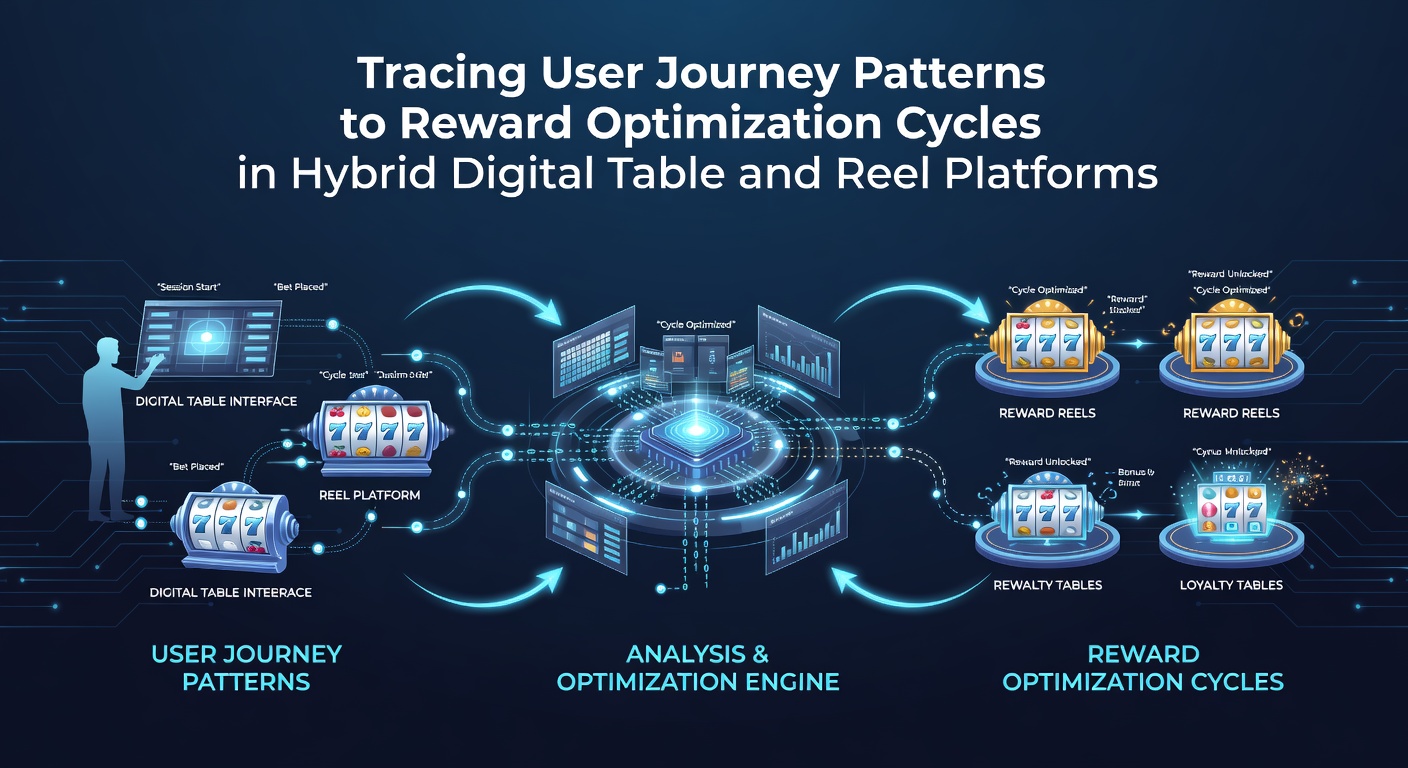
Tracing User Journey Patterns to Reward Optimization Cycles in Hybrid Digital Table and Reel Platforms
Hybrid digital platforms that blend table games with reel-based slots create distinct user pathways where session starts often determine subsequent reward triggers and engagement loops. Data from multiple jurisdictions shows players typically begin with simpler reel mechanics before shifting to table variants, and operators track these sequences to adjust bonus structures in real time.
Mapping Entry Points and Transition Behaviors
Session logs collected across North American and European markets indicate most users enter through mobile apps via reel titles, with 62 percent of tracked accounts moving to table games within the first 15 minutes when prompted by in-app suggestions. Researchers at institutions studying digital gaming patterns note that these transitions correlate with longer play durations because table options introduce decision layers that extend time on device.
Operators monitor clickstreams and bet sizing to identify when a player shifts from low-stakes reels to higher-variance tables, then apply reward adjustments such as matched credits or free rounds tailored to that specific sequence. This process forms the basis of optimization cycles where each completed journey segment feeds data back into the next offer.
Data Collection Methods Across Jurisdictions
Regulatory filings from the New Jersey Division of Gaming Enforcement and the Ontario Lottery and Gaming Corporation reveal standardized requirements for logging user flows in hybrid environments. These records capture game type switches, deposit timing, and reward redemptions without storing personally identifiable details beyond session identifiers.
Analysts combine these logs with heat-mapping tools that highlight frequent navigation routes, such as repeated returns to blackjack tables after reel wins. The resulting datasets allow platforms to test reward timing, for instance delivering a reel bonus immediately after a table loss to encourage continued play across both formats.
Optimization Cycles in Practice
One documented pattern shows users who complete three reel sessions followed by a table game receive progressively scaled rewards on the fourth interaction. Reports from industry groups in Australia and Canada confirm this sequencing increases retention metrics by aligning incentives with observed behavior rather than applying uniform bonuses.
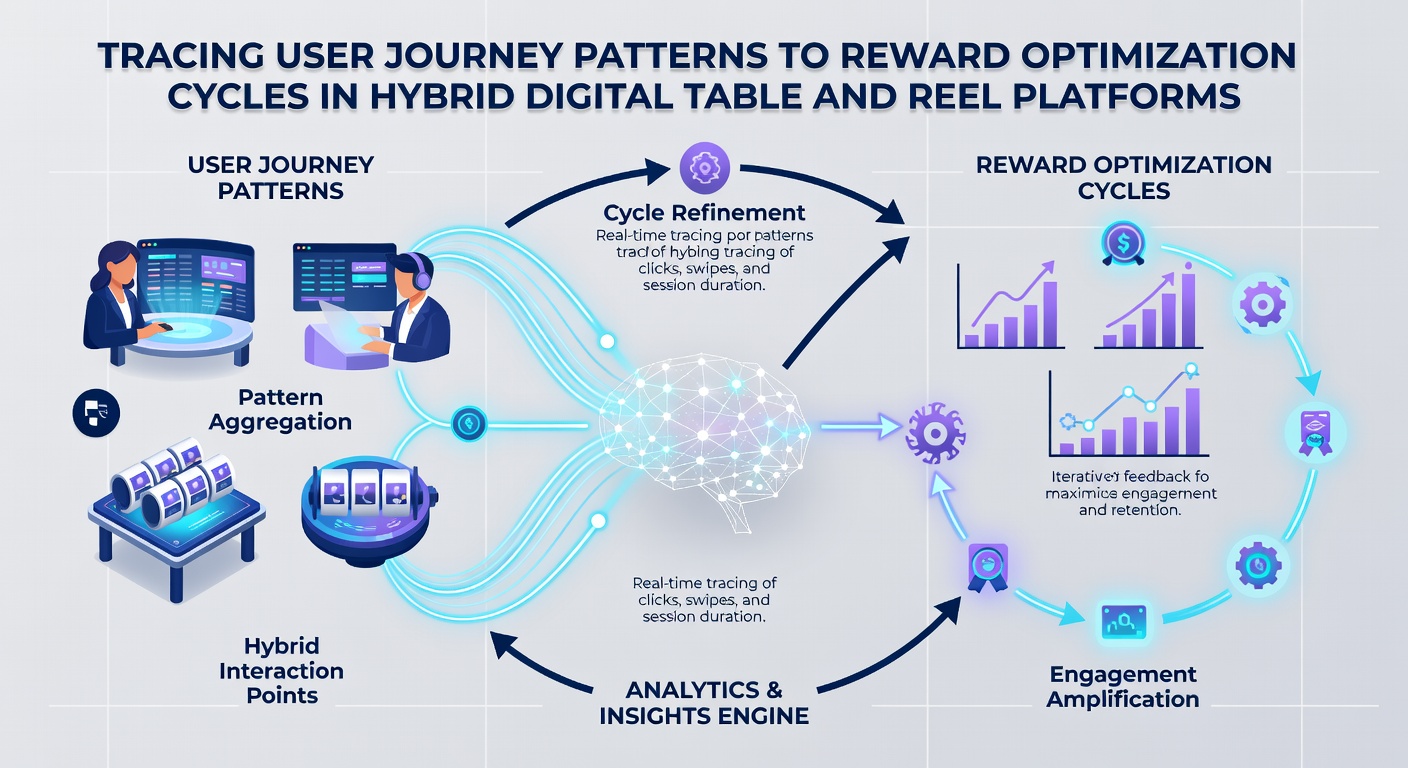
By May 2026 several platforms plan expanded use of predictive models that forecast journey endpoints based on early-session signals. These models draw from aggregated data across multiple regions and adjust reward parameters mid-session when a player deviates from established patterns, such as extending table time beyond typical thresholds.
Regional Variations in Tracking Standards
European operators follow guidelines from the Malta Gaming Authority that emphasize transparent reward disclosure tied to journey data, while Australian state regulators require periodic audits of how transition metrics influence bonus distribution. These differing frameworks still converge on the same core practice of linking sequence analysis to cycle refinement.
Studies published through the University of Nevada's gaming research division illustrate how hybrid environments produce more complex journey graphs than single-format platforms, with table-to-reel returns creating additional feedback loops that reward systems exploit for session extension.
Integration of Reward Mechanics
Reward optimization relies on matching offer types to journey stage. A player finishing a reel streak might receive table-specific credits, whereas table-heavy sessions trigger reel free spins. This cross-format linkage appears in operational reports from multiple operators and maintains engagement across the full platform catalog.
Platform dashboards update these assignments continuously using live telemetry, ensuring the reward cycle remains responsive to emerging patterns without manual intervention. The approach reduces instances of reward mismatch that previously led to early session exits.
Conclusion
Tracing user journeys in hybrid table and reel platforms supplies the raw sequences that drive reward cycle refinement. Regulatory data from varied jurisdictions, combined with academic analysis, demonstrates consistent application of transition tracking to tailor incentives. As platforms refine these systems through 2026, the connection between observed patterns and optimized rewards continues to shape operational strategies across digital gaming environments.