Seasonal Event Triggers and Their Effects on Session Patterns in Hybrid Digital Gaming Ecosystems
Vera Sullivan · Jul 1, 2026
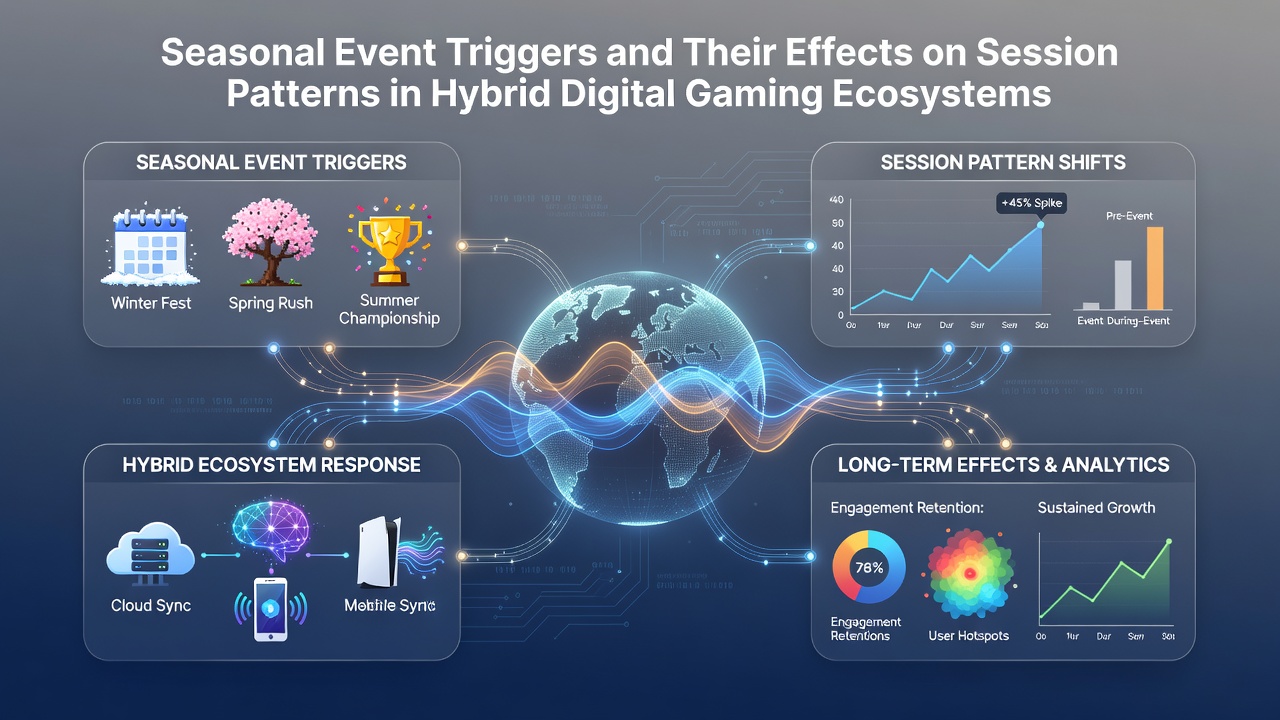
Seasonal Event Triggers and Their Effects on Session Patterns in Hybrid Digital Gaming Ecosystems
Hybrid digital gaming ecosystems combine mobile applications, web-based platforms, and integrated live dealer features that respond to seasonal calendars through targeted event triggers, and these mechanisms produce measurable shifts in how users structure their play sessions across different times of year. Data from multiple regional monitoring programs shows that event-driven content updates, limited-time reward structures, and themed game releases align with holidays, weather changes, and cultural observances, which in turn alter login frequency, average session duration, and game selection patterns.
Understanding Event Triggers in Hybrid Systems
Seasonal triggers operate through scheduled software updates that introduce new mechanics such as progressive jackpots tied to calendar dates, bonus multipliers during specific weeks, and cross-platform notifications that prompt users to switch between mobile and desktop interfaces. Researchers tracking platform telemetry have documented that these triggers activate automatically when external conditions like school holidays or major sporting tournaments begin, creating synchronized changes in user behavior across entire user bases rather than isolated individual actions.
Hybrid environments differ from single-channel systems because they allow seamless movement between devices while maintaining consistent account states and progress tracking, so a user who starts a session on a smartphone during a lunch break can continue the same game on a tablet later without losing accumulated rewards. This continuity amplifies the reach of seasonal events because players encounter the same themed content regardless of access point.
Documented Shifts in Session Patterns
Analysis of aggregated usage data reveals consistent patterns during major seasonal periods. Summer months typically produce higher volumes of shorter, fragmented sessions concentrated in evening hours, whereas winter holiday periods generate fewer but longer continuous sessions that extend across multiple game categories. Figures from the American Gaming Association indicate that mobile engagement in hybrid casino applications rises by double-digit percentages during July and August in North American markets, coinciding with vacation schedules and outdoor event tie-ins.
Game-type preferences also rotate with the seasons. Reel-based games with quick spin cycles see increased play during periods of high ambient temperature when users seek brief distractions, while table games and live dealer formats maintain steadier engagement during cooler months when longer indoor sessions become more common. Platform operators adjust server allocation and promotional budgets accordingly, routing more live dealer capacity toward regions experiencing extended daylight hours.
Regional Variations and Measurement Approaches
Geographic differences appear in how seasonal triggers interact with local calendars. In European markets, extended summer breaks produce distinct afternoon activity spikes on mobile devices, while Australian data shows stronger alignment with sports seasons that overlap the calendar year differently. The Australian Gambling Research Centre has published longitudinal reports tracking these regional divergences, noting that hybrid platforms must calibrate notification timing separately for each territory to avoid missing peak engagement windows.
Measurement relies on anonymized session logs that record start times, device switches, game selections, and exit points without capturing personal identifiers. Academic teams at institutions such as the University of Nevada, Las Vegas International Gaming Institute apply time-series analysis to isolate the contribution of seasonal triggers from background noise like pay cycles or weather events. Their models demonstrate that certain triggers produce statistically significant extensions in session length even after controlling for external variables.
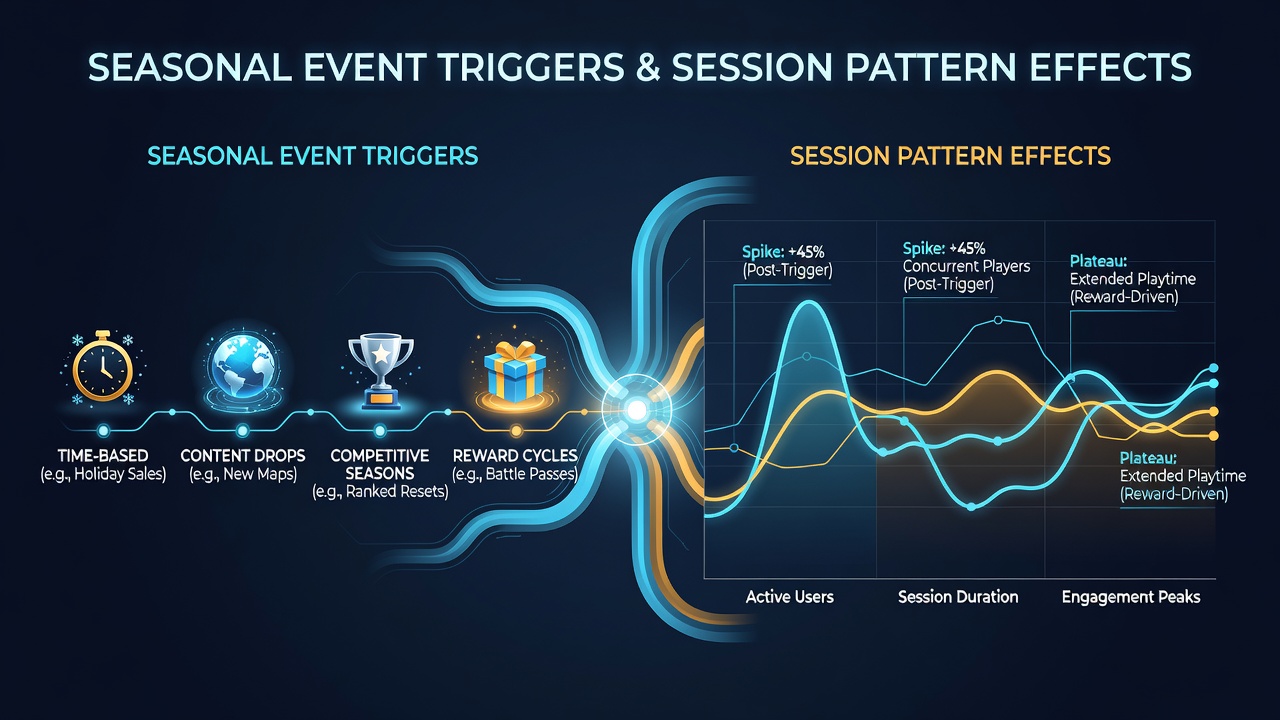
July 2026 Preparations and Projected Impacts
As operators prepare infrastructure for July 2026, several platforms have already announced expansions of summer-themed event layers that include location-based notifications and device-adaptive reward scaling. These preparations build on patterns observed in prior years where hybrid systems recorded elevated cross-device handoffs during peak vacation periods. Projections derived from 2024–2025 telemetry suggest that session initiation rates on tablets and laptops may increase relative to pure mobile usage during the same window, reflecting greater availability of larger screens in home or travel settings.
Payment processing volumes also fluctuate in tandem with seasonal events. Instant deposit and withdrawal features integrated into hybrid wallets show higher transaction counts during promotional windows, and settlement times remain consistent across devices. Industry reports compiled by European regulatory bodies have tracked these payment-session correlations without identifying causation beyond the presence of time-limited incentives.
Conclusion
Seasonal event triggers continue to shape session architecture within hybrid digital gaming ecosystems through predictable yet regionally variable mechanisms. Continued monitoring by academic and regulatory groups provides the quantitative foundation needed to understand how calendar-driven content influences login rhythms, device transitions, and game category selection. The integration of live and automated formats within single accounts ensures that these effects propagate across the entire user journey rather than remaining confined to isolated channels.