Reward Optimization Through Strategic Payment Selection in Live and Automated Casino Formats
Vera Sullivan · Jun 1, 2026
Reward Optimization Through Strategic Payment Selection in Live and Automated Casino Formats
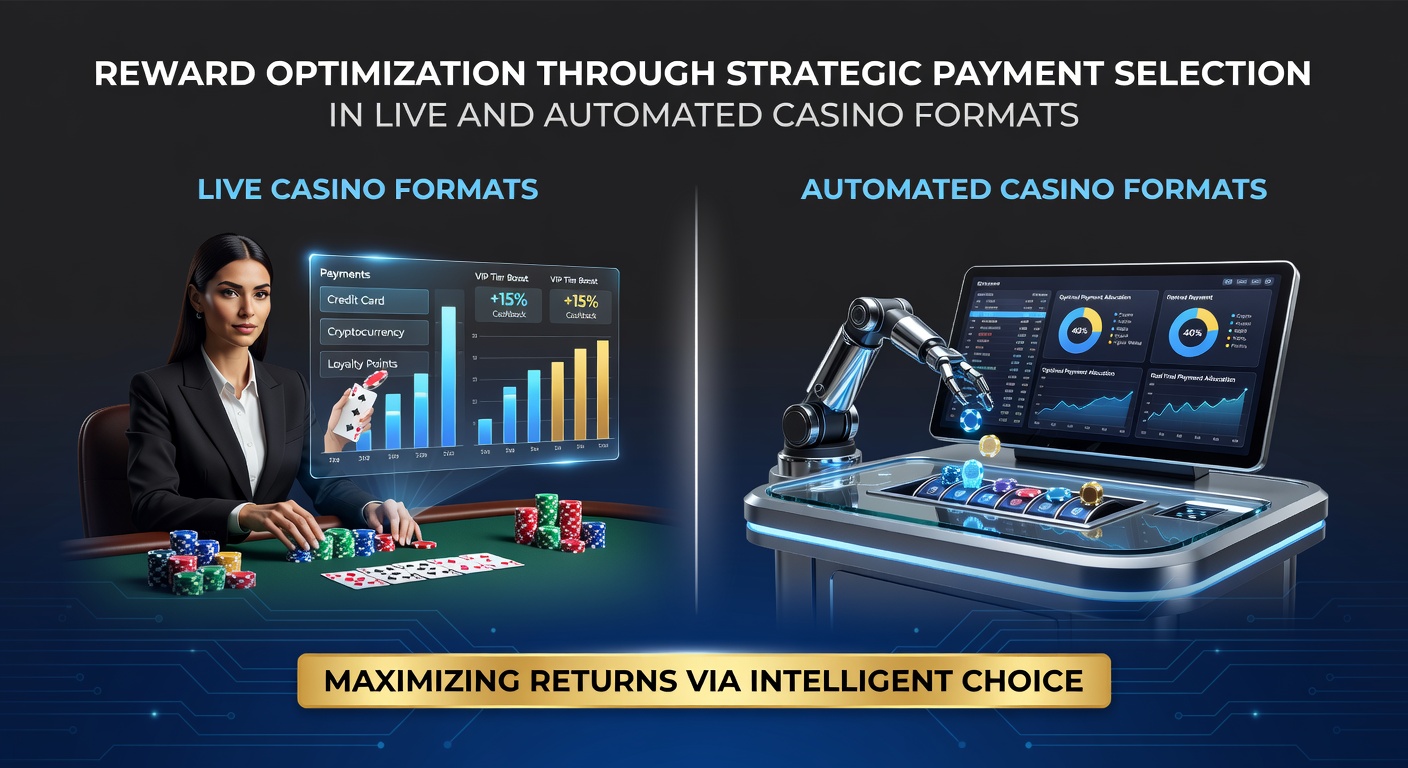
Payment method selection plays a central role in how players access rewards across both live dealer environments and automated game formats, where operators structure bonuses and loyalty points around deposit types that align with specific platform requirements. Live dealer formats often tie reward multipliers to methods that support instant verification, while automated slots and table games frequently link promotional credits to digital wallets or prepaid options that reduce processing overhead. Observers note that these differences emerge because live streams demand real-time transaction confirmation to maintain session flow, whereas automated systems can accommodate batch processing without interrupting gameplay sequences.
Payment Categories and Platform Integration Patterns
Traditional credit cards, e-wallets, bank transfers, and cryptocurrencies each carry distinct processing timelines that influence reward eligibility in measurable ways. Credit card deposits typically trigger standard bonus matching in automated formats because operators apply uniform verification protocols, yet live dealer sessions sometimes restrict these methods during peak hours when bandwidth allocation favors faster alternatives. E-wallets such as PayPal or Skrill integrate directly with loyalty tracking systems in both formats, allowing points to accumulate across hybrid sessions where players switch between live roulette and slot reels without resetting their reward tiers.
Bank transfers, while slower, often unlock higher cumulative reward thresholds in automated environments because they involve larger single transactions that operators reward with extended play credits. Cryptocurrency options have gained traction since early 2025 data releases showed accelerated verification speeds in live dealer lobbies, prompting several platforms to adjust their bonus structures accordingly. Research indicates that platforms incorporating these varied methods report different engagement durations depending on whether teh game relies on human dealers or algorithmic outcomes.
Live Dealer Reward Structures and Transaction Timing
Live dealer platforms prioritize payment selections that minimize latency because dealers and players interact in continuous streams where delays can interrupt betting cycles. Operators commonly attach time-sensitive multipliers to deposits completed via instant e-wallets, allowing players to receive enhanced comp points during the same session. Automated formats, by contrast, apply reward algorithms that factor in total volume rather than speed, so players using scheduled bank transfers still qualify for tiered bonuses distributed at the end of each calendar period.
Figures from industry tracking services reveal that live formats in regulated markets processed a higher percentage of digital wallet transactions during the first half of 2026, correlating with adjusted loyalty formulas that reward real-time funding. Those who monitor these patterns observe that strategic selection of payment rails enables participants to align deposit timing with promotional windows, particularly when live tables offer limited-time side bets that count toward reward accumulation only if funded through approved channels.
Automated Formats and Volume-Based Reward Scaling
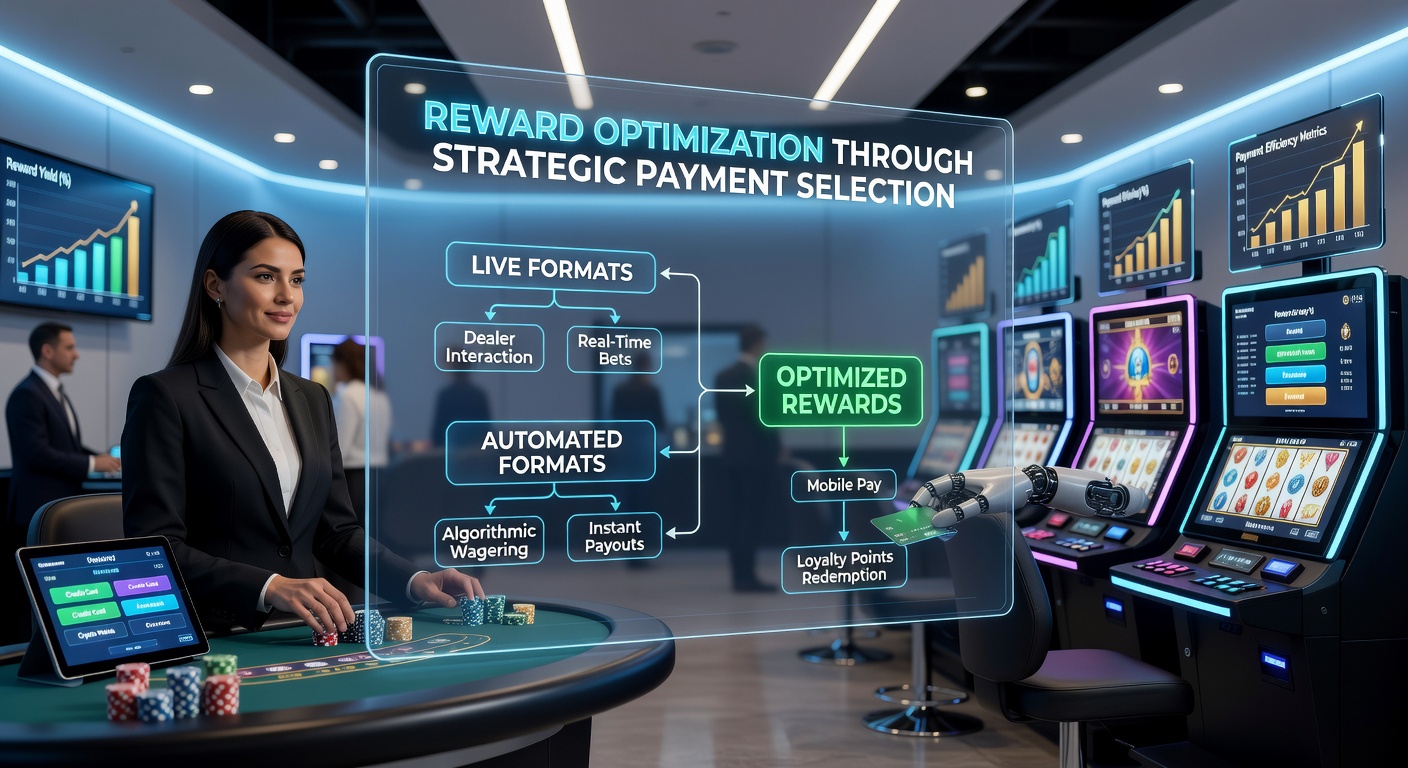
Automated casino games scale rewards according to transaction volume and frequency, which favors payment methods that support recurring deposits without additional fees. Players who select prepaid cards or integrated app wallets in these environments often trigger progressive bonus ladders because the system registers each top-up as a separate qualifying action. Live formats apply similar volume metrics but layer them with session-specific bonuses that require the payment to remain active throughout the dealer interaction.
Data compiled through mid-2026 shows automated platforms in North American jurisdictions recorded increased reward redemption rates when users combined cryptocurrency with traditional cards, allowing cross-format point transfers between live and machine-based games. European operators following Malta Gaming Authority guidelines have implemented comparable frameworks that differentiate reward multipliers based on whether the payment method supports automated reconciliation or requires manual review.
Cross-Format Strategies and Loyalty Mechanics
Hybrid players who move between live and automated formats benefit when payment selections create unified reward accounts that track activity across both categories. Operators achieve this by routing all deposits through centralized processors that assign points based on game type and funding source, so a single wallet balance can unlock live dealer cashback while simultaneously advancing automated slot free spin eligibility. Regulatory filings from the Nevada Gaming Control Board document these integrated systems in several licensed properties, where transaction logs demonstrate how payment choice influences the rate at which players progress through loyalty levels.
Seasonal promotions scheduled around June 2026 further illustrate these dynamics, as operators introduced temporary payment bonuses that applied exclusively to live formats during certain hours and automated formats during others. Participants who timed their deposits accordingly maximized point accrual without exceeding daily limits set by platform policies. Industry reports from the Canadian Gaming Association highlight similar patterns in provincial markets, where data analytics teams adjust reward algorithms quarterly to reflect shifts in preferred payment rails.
Conclusion
Strategic payment selection continues to shape reward optimization in both live and automated casino formats through measurable differences in processing speed, verification requirements, and bonus eligibility rules. Operators maintain distinct structures for each format while increasingly offering unified loyalty systems that reward players who navigate these choices deliberately. Continued monitoring of transaction data from regulatory bodies and industry associations will determine how these patterns evolve as new payment technologies integrate into existing platforms.