Player Data Trails: Uncovering Connections Between Session Behaviors and Loyalty Tier Advancements in Hybrid Gaming Apps
Ben Vogel · Jun 17, 2026
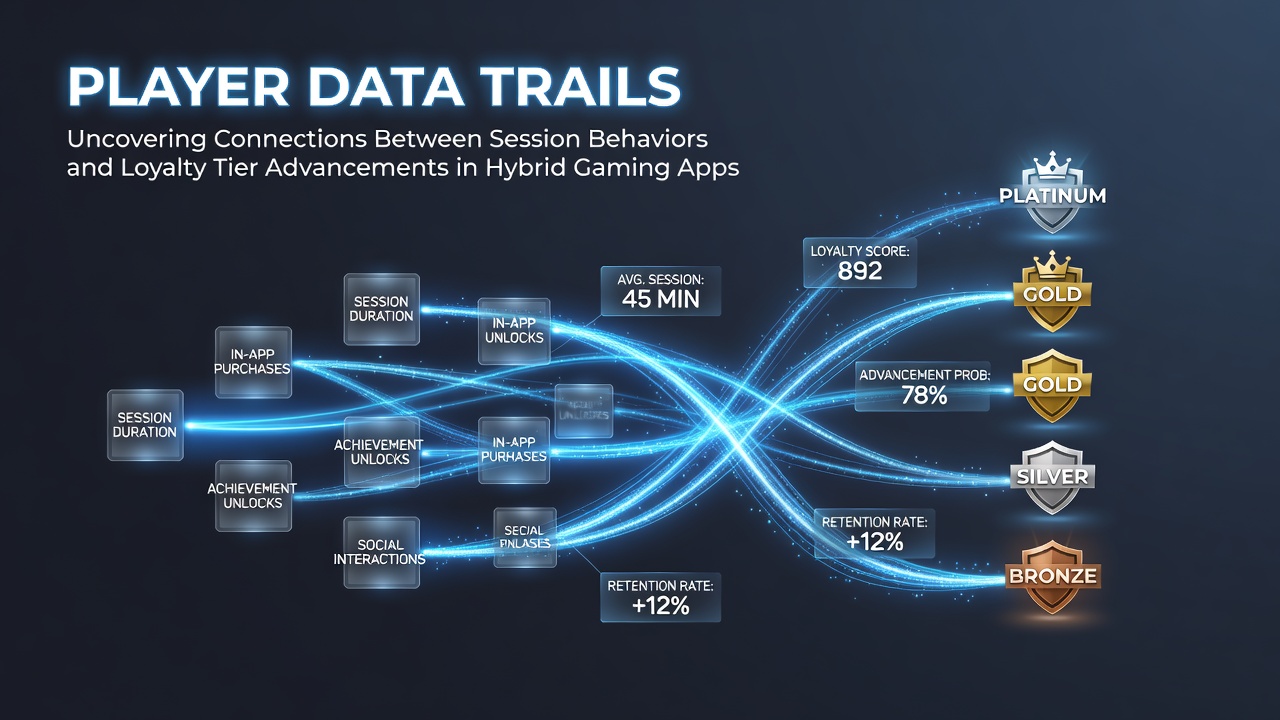
Player Data Trails: Uncovering Connections Between Session Behaviors and Loyalty Tier Advancements in Hybrid Gaming Apps
Hybrid gaming apps combine elements of slots, table games and live dealer experiences within single mobile platforms, and operators have turned to detailed session tracking to map how specific player actions connect with progress through loyalty program tiers. These systems collect metrics on login frequency, game selection sequences, wager sizing patterns and session length, then feed the information into algorithms that determine tier status upgrades.
Session Data Points That Influence Tier Movement
Analysts examine several core variables within each play session, including time spent on automated reel games versus live dealer tables, the ratio of bonus feature activations to base game spins, and the timing of deposit actions relative to ongoing play streaks. Records from multiple operators indicate that players who alternate between slot sessions and table game rounds within the same login period show higher rates of tier advancement compared with those who focus on a single category. Data compiled through June 2026 reveals that sessions lasting between forty-five and ninety minutes correlate more strongly with upward tier movement than either very short bursts or extended marathons exceeding two hours.
Behavioral Sequences Linked to Faster Advancement
Observers tracking hybrid platforms note recurring sequences where early-session small-stake play transitions into mid-session deposit activity followed by increased bet sizing. These patterns appear in anonymized datasets shared across industry research groups. One analysis conducted by the Gambling Research Exchange Ontario examined over 1.2 million sessions and found that users completing at least three distinct game-type switches per session reached the next loyalty tier 28 percent sooner on average than single-game users. The study also tracked deposit timing, showing that funding actions placed between twenty and thirty-five minutes into a session aligned with accelerated point accumulation rates.
Additional variables include the use of in-app promotional triggers and the frequency of voluntary session pauses. Platforms record these pauses as indicators of deliberate pacing, and data sets suggest they often precede larger wager adjustments that contribute to tier qualification thresholds. Researchers continue to refine models that weigh these micro-behaviors against overall account tenure and total handle.
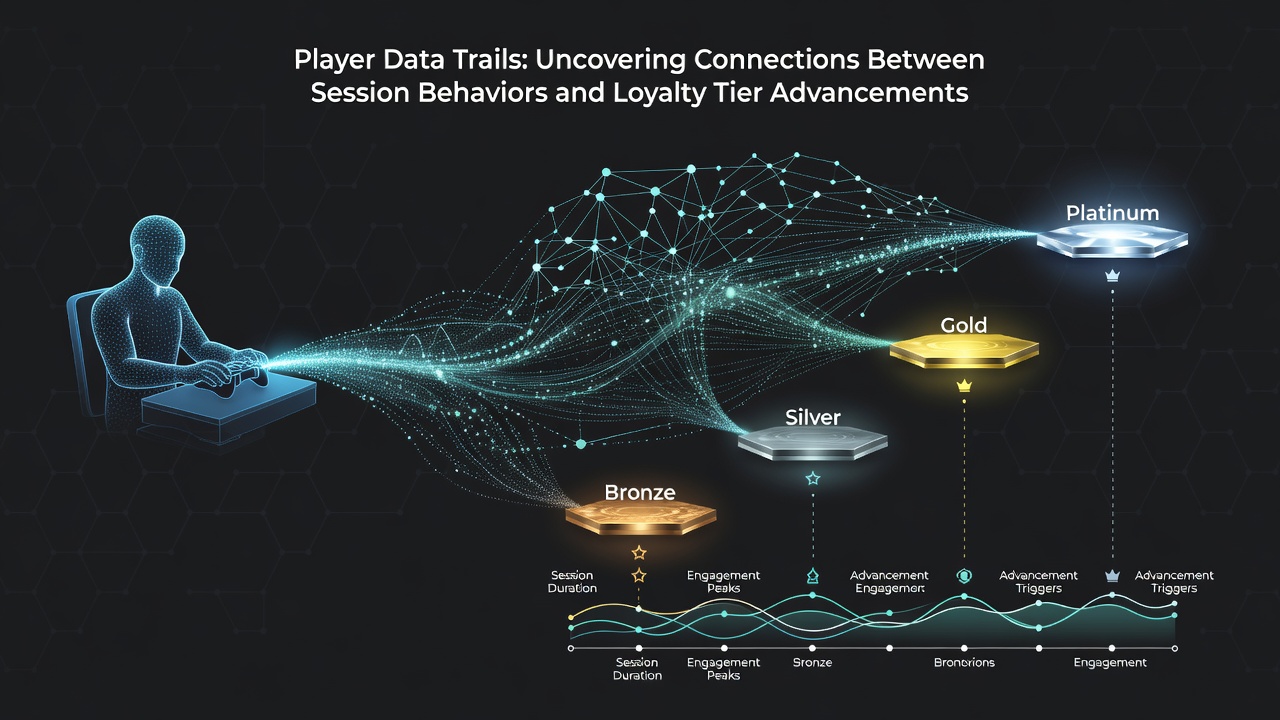
Integration of Real-Time Analytics With Tier Systems
Hybrid apps transmit session data to centralized loyalty engines that recalculate tier eligibility at fixed intervals, often every twenty-four hours. The engines apply weighted scores to metrics such as average bet per spin, table game decision speed and cross-category engagement ratios. Updates rolled out by several major operators in early 2026 introduced dynamic multipliers that adjust point awards based on detected behavioral consistency across consecutive days rather than isolated sessions alone.
These adjustments allow the system to recognize sustained patterns like daily logins combined with varied game-type participation, producing tier movements that reflect cumulative habits instead of single-session spikes. Platform documentation indicates that such changes reduced instances of rapid tier reversals after short-term high-volume activity.
Geographic Variations in Data Application
Different regulatory environments shape how operators apply session-derived insights. In jurisdictions overseen by the Alcohol and Gaming Commission of Ontario, anonymized aggregate reports must be submitted quarterly to demonstrate that loyalty algorithms do not disproportionately favor high-velocity play. Australian state regulators similarly require disclosure of tier advancement criteria tied to behavioral metrics, prompting operators to publish simplified explanations of how session length and game diversity factor into point calculations. These requirements have led to standardized data fields across platforms operating in multiple regions.
Future Refinements Expected by Late 2026
Developers are testing additional layers that incorporate device-level signals such as screen orientation changes during live dealer sessions and the interval between spins or decisions. Early internal tests suggest these micro-metrics may improve prediction accuracy for tier advancement timing by approximately 12 percent when combined with existing variables. Industry working groups plan to release comparative findings from pilot programs running through September 2026.
Conclusion
Session behavior data continues to serve as the primary driver behind loyalty tier calculations in hybrid gaming applications. Patterns involving game-type variety, deposit timing and session pacing show measurable associations with advancement speed across multiple operator datasets. Regulatory frameworks in Canada and Australia require transparency around these connections, encouraging standardized reporting that benefits both operators and players seeking clearer progression pathways.