Payment Timelines Influencing Adjustments in Hybrid Mobile Gaming Sessions
Jonas Patterson · Aug 22, 2026
Payment Timelines Influencing Adjustments in Hybrid Mobile Gaming Sessions
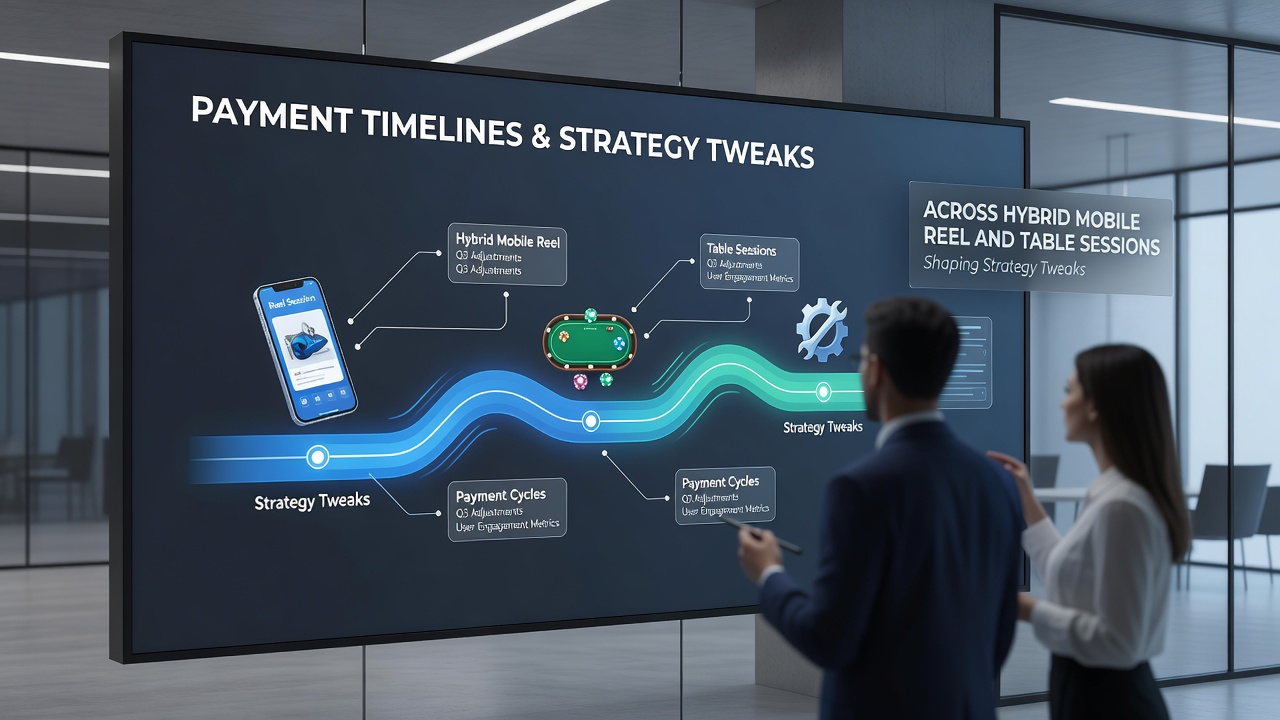
Data from multiple gaming markets indicates that payment processing speeds directly affect how players adjust their approaches during combined mobile sessions involving reel games and table formats, with faster transactions enabling more frequent strategy shifts while slower ones encourage longer holding patterns.
Core Mechanics of Payment Timelines in Mobile Environments
Transaction completion times range from instant methods using digital wallets to multi-hour bank transfers, and observers note that these variations create distinct decision points for participants who switch between automated reel spins and live table interactions on the same device. Research from industry reports shows players often recalibrate bet sizes or game selections once funds clear, particularly when moving from quick deposit options to withdrawal-dependent reloads.
Reel Game Adjustments Tied to Funding Cycles
Reel sessions on mobile platforms respond noticeably to deposit confirmation delays because shorter timelines allow immediate increases in spin volume or volatility selection, whereas extended waits lead to conservative pacing until balances stabilize. Figures from various operator datasets reveal that participants using instant payment rails modify reel strategies up to three times more often per hour than those relying on standard card processing, with patterns emerging around bonus trigger thresholds and session length extensions.
Table Play Dynamics Under Variable Processing Speeds
Table formats introduce additional layers since decisions involve real-time opponent interactions or dealer pacing, and payment delays here prompt shifts toward lower-stake tables or side bet reductions until new funds arrive. Evidence from platform analytics demonstrates that hybrid users who interleave reel and table play tend to pause table rounds during pending transactions, then resume with adjusted risk parameters once timelines resolve, creating measurable cycles in engagement metrics.
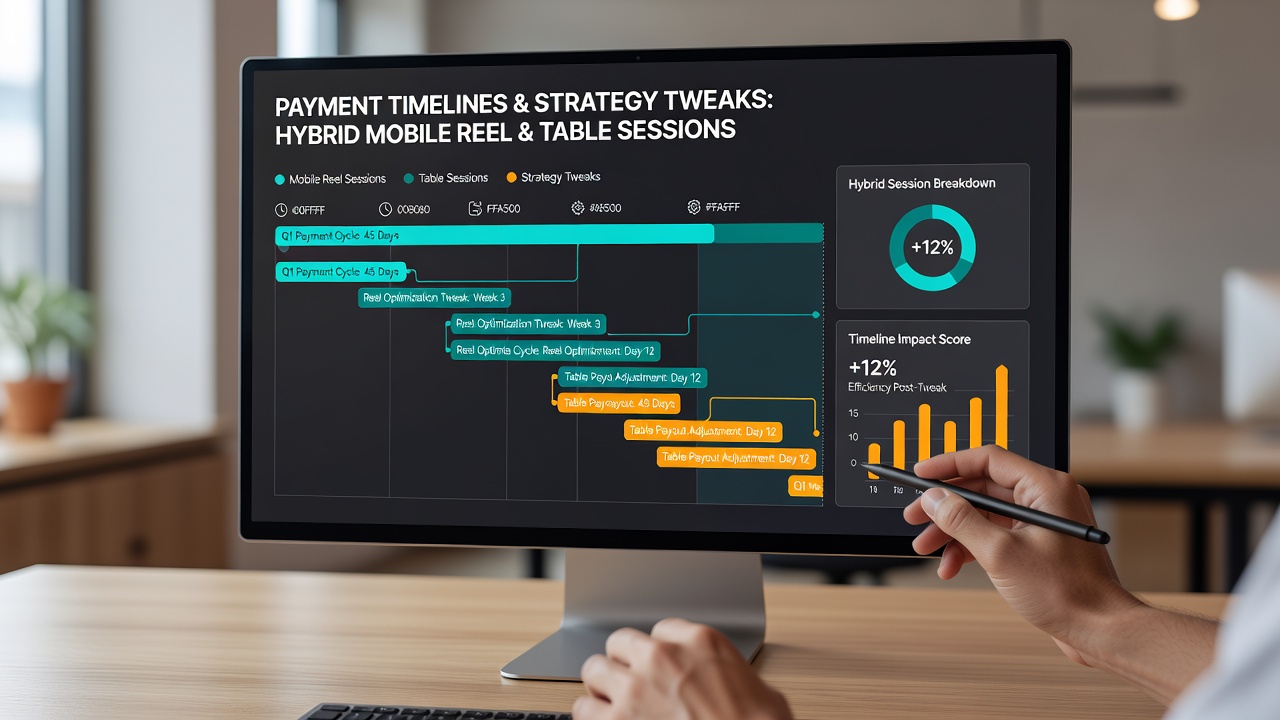
August 2026 saw several regional operators report elevated cross-format activity following the rollout of faster settlement features, with data indicating a 12 percent rise in strategy modifications during mixed sessions compared to prior periods.
Hybrid Session Patterns and Timeline Effects
Combined reel and table sessions on smartphones exhibit unique behaviors where payment arrival times dictate transitions between automated and interactive elements, with quicker clearances supporting aggressive reel bursts followed by calculated table entries. Studies conducted across North American and Australian markets highlight that users synchronize their payment choices with anticipated strategy pivots, selecting methods that align with planned session extensions or contractions.
One documented case from platform usage logs illustrated how a cohort of hybrid players reduced table bet spreads by 25 percent during three-hour processing windows before restoring original levels post-clearance, while reel bet frequencies remained steadier due to lower per-round costs. What's interesting is that these adjustments appear consistent across device types yet vary by payment provider reliability.
Regional Data and Industry Observations
Reports compiled by the American Gaming Association track how different funding mechanisms correlate with play duration and format switching rates, showing that jurisdictions with widespread instant payment adoption record higher rates of mid-session tweaks. Similar patterns surface in Canadian provincial data, where regulators document shifts in mobile engagement following infrastructure updates to transaction networks.
European operators outside the UK have contributed parallel findings through trade association summaries, noting that payment timeline standardization reduces variance in hybrid strategy application and supports steadier revenue flows across reel and table offerings. Academic analyses from university-led gaming studies further confirm these links by modeling decision trees that incorporate processing latency as a variable.
Emerging Trends Through Mid-2026
By August 2026 platform updates had introduced predictive tools that alert users to expected clearance times, enabling preemptive strategy planning for reel and table combinations. Data indicates these features correlate with fewer abrupt session interruptions and more deliberate pacing across formats, though adoption rates differ by demographic group.
Those who've examined aggregated operator metrics observe that payment timeline transparency encourages diversified approach testing within single sessions, particularly when users alternate between high-frequency reel spins and deliberate table selections.
Conclusion
Payment timelines continue to shape how strategies evolve across hybrid mobile reel and table sessions through measurable impacts on timing, bet calibration, and format transitions. Data from regulatory bodies and industry sources shows consistent patterns where faster processing supports more dynamic adjustments while slower options promote measured pacing. Observers note these dynamics persist as platforms refine transaction options and users adapt their approaches accordingly.