Observing How Various Funding Choices Impact the Duration of Play Sessions in Smartphone-Based Casino Games
Vera Russell · Jul 18, 2026
Observing How Various Funding Choices Impact the Duration of Play Sessions in Smartphone-Based Casino Games
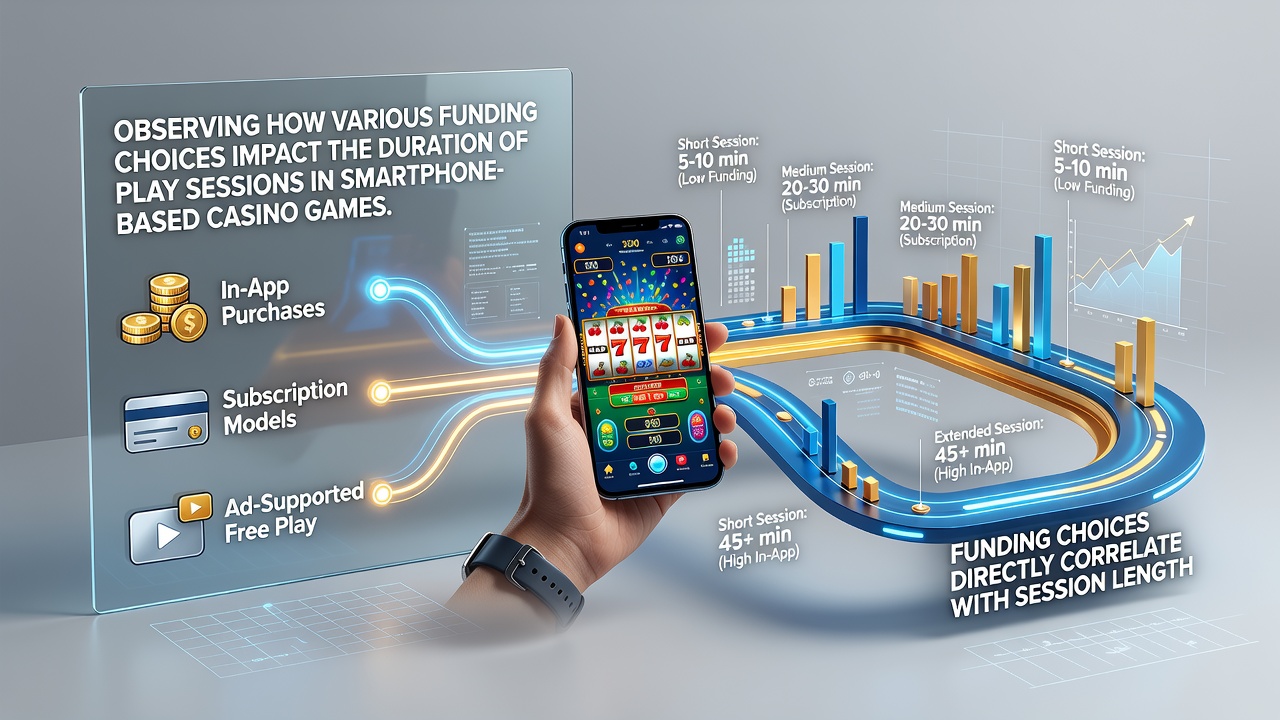
Smartphone-based casino games have seen funding mechanisms evolve rapidly, and observers note that the type of payment method chosen often correlates with how long individual sessions last. Data from multiple markets indicate that instant options such as e-wallets and certain digital transfers allow players to maintain momentum without interruption, whereas slower methods like traditional bank wires introduce natural pauses that shorten overall engagement time. Researchers tracking user behavior across apps have documented these patterns through aggregated session logs rather than individual accounts.
Instant Deposits and Extended Play Windows
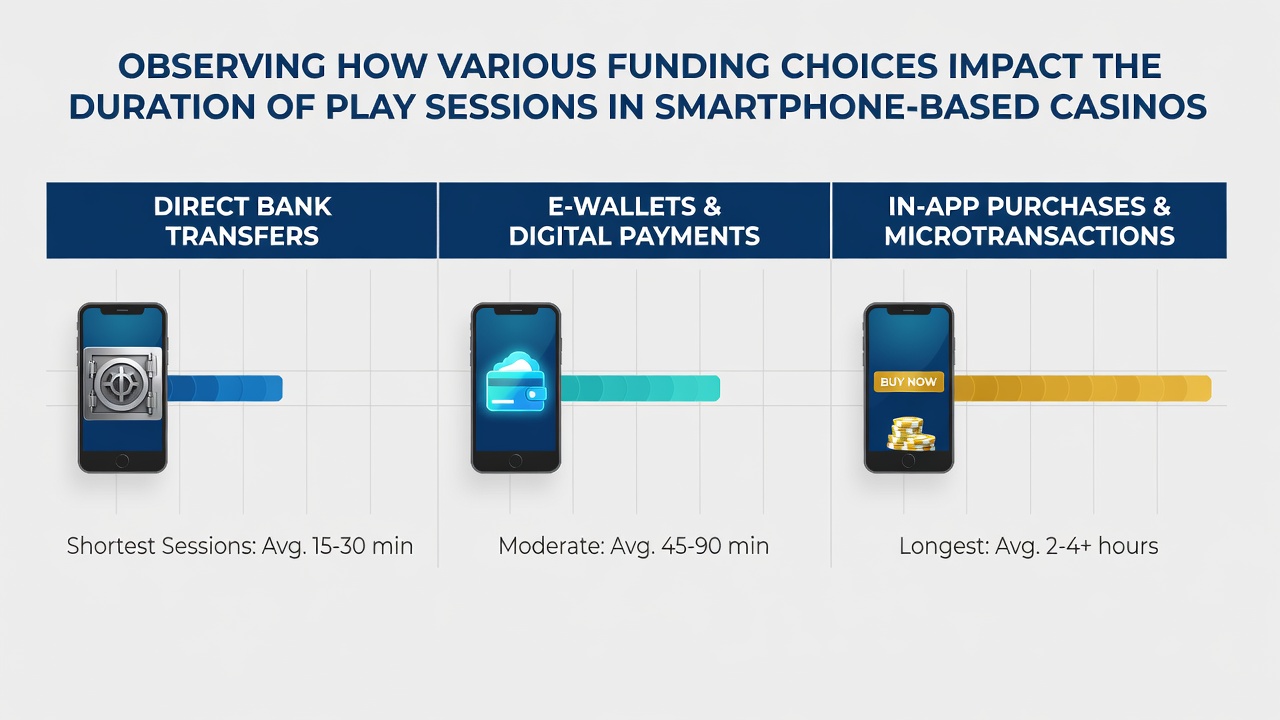
Payment systems that process within seconds tend to support longer continuous sessions because users can replenish balances mid-game without exiting the application. Studies conducted in North American jurisdictions reveal that sessions funded via popular e-wallets averaged 22 minutes longer than those initiated through credit card gateways that require additional verification steps. In July 2026, mobile operators in several states reported a measurable uptick in session duration after integrating newer instant-deposit APIs, with the change most pronounced in slots and casual table games.
Those who study engagement metrics point out that friction at the funding stage directly influences whether a player stays in the app or steps away. When deposits clear immediately, the psychological barrier to continued play decreases, and session logs show users often chain multiple short deposits into one extended period rather than logging out and returning later.
Traditional Banking Options and Session Interruptions
Bank transfers and certain card-based methods introduce delays ranging from several minutes to hours, and this lag frequently breaks the flow of play. Figures compiled by analysts in the Asia-Pacific region show that players relying on these slower channels recorded average session lengths 35 percent shorter than those using faster alternatives. The interruption occurs because users often switch to other activities while waiting for funds to appear, and many do not return to the same game immediately.
One study tracking Australian users found that sessions initiated with direct bank links frequently ended within the first 15 minutes when processing times exceeded five minutes, whereas comparable sessions funded through instant methods continued well beyond that threshold. Observers have noted that these patterns hold across different device types and operating systems, suggesting the funding method itself drives the outcome more than hardware variables.
Digital Currencies and Their Influence on Continuity
Cryptocurrency options have gained traction in smartphone casino environments, and preliminary data suggest they can extend session lengths when transaction confirmations occur quickly. In markets where crypto deposits are supported, researchers observed that confirmed transfers sometimes enabled uninterrupted play for periods exceeding one hour, particularly when users kept small reserve balances in their wallets. Yet confirmation delays on certain networks produced the opposite effect, with players abandoning sessions while awaiting validation.
Industry reports from European operators indicate that hybrid funding approaches, where users combine crypto with traditional methods, create variable session patterns depending on which option clears first. Those patterns become clearer when analysts segment data by time of day, because evening sessions show greater tolerance for minor delays than daytime ones.
Bonus Structures Tied to Funding Choices
Many applications link promotional credits directly to specific deposit types, and this linkage can alter how long users remain active. When bonuses require a particular payment method, players often select that option even if it is not their default choice, resulting in session lengths that mirror the processing speed of the required method. Data collected in Canadian provinces during 2025 and into 2026 demonstrate that bonus-driven sessions using instant funding lasted longer on average than those relying on delayed options, because the bonus credit became available sooner and encouraged continued play.
Analysts tracking these correlations emphasize that the presence of a bonus does not automatically extend sessions unless the funding mechanism itself supports quick access to the credited amount. When delays occur, users sometimes cash out the bonus upon receipt and exit rather than reinvesting into further rounds.
Regional Variations in Funding Preferences
Payment preferences differ across jurisdictions, and these differences produce distinct session-duration profiles. In regions where e-wallet adoption is high, such as parts of Southeast Asia, average mobile casino sessions run longer than in markets that still rely heavily on card or bank methods. Government-collected statistics from the New Jersey Division of Gaming Enforcement show measurable differences in session metrics once operators expanded e-wallet support, with the shift becoming noticeable within months of rollout.
Similar observations appear in reports from the Victorian Responsible Gambling Foundation, where funding speed correlated with sustained engagement across multiple app-based platforms. These patterns suggest that infrastructure supporting rapid transfers contributes to longer sessions regardless of specific game type.
Conclusion
Funding choices in smartphone casino applications shape session duration through processing speed, bonus accessibility, and user workflow. Data collected across multiple regions and time periods indicate that instant methods generally support longer continuous play, while slower options introduce breaks that shorten engagement. As payment technologies continue to advance, operators and analysts alike will likely monitor how new funding integrations alter these established patterns in the months ahead.