Navigating Tiered Loyalty Mechanics to Enhance Session Longevity in App-Based Gaming Platforms
Ben Vogel · May 20, 2026
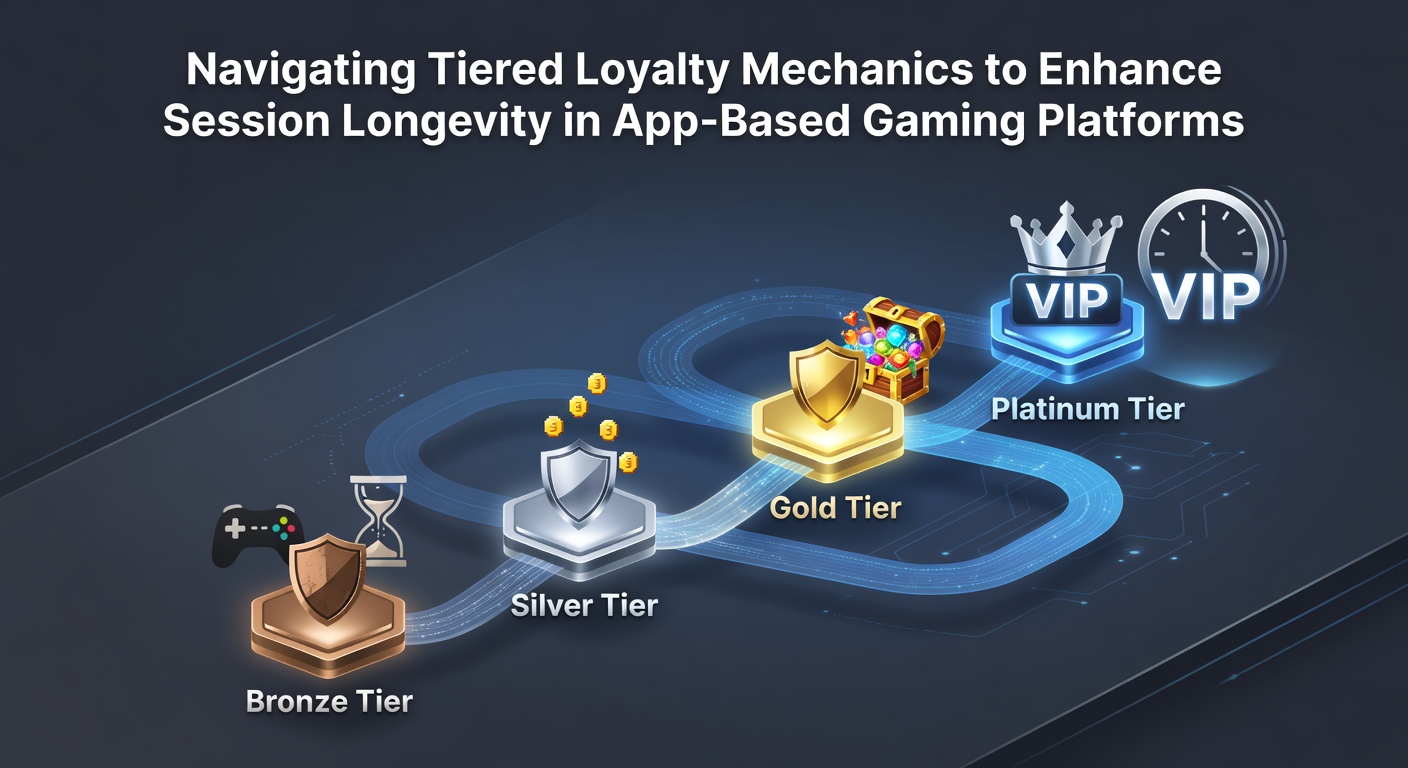
Navigating Tiered Loyalty Mechanics to Enhance Session Longevity in App-Based Gaming Platforms
App-based gaming platforms rely on tiered loyalty mechanics to keep users engaged for longer periods and these systems typically divide players into progressive levels based on accumulated activity points or playtime metrics. Research from industry analysts shows that such structures reward consistent participation with escalating benefits like bonus currency, exclusive in-game items, and priority access to new content which in turn motivates extended sessions. Data indicates players who reach higher tiers often log 30 to 50 percent more playtime compared to those in entry levels according to aggregated platform statistics released in early 2026.
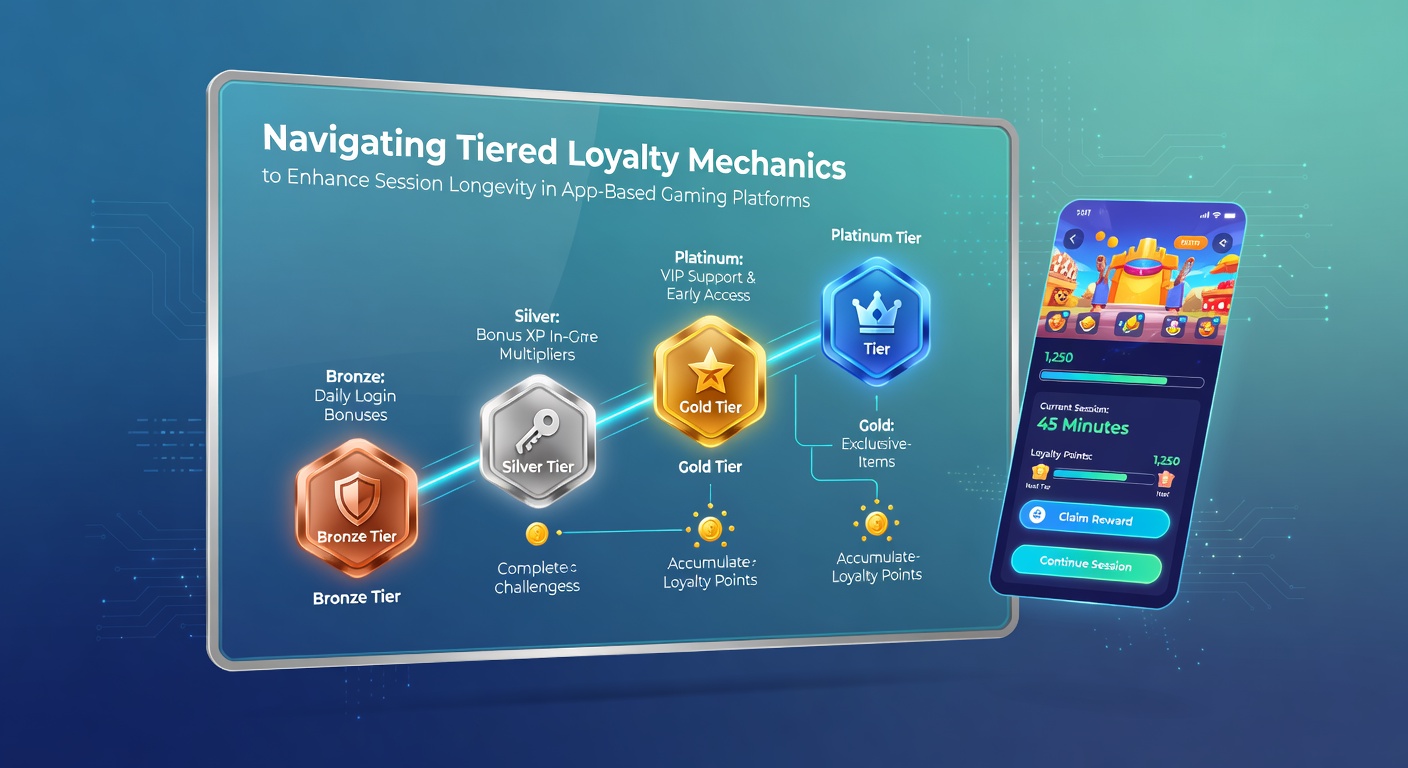
Designers implement these tiers through straightforward progression tracks where basic actions such as completing daily challenges or making in-app purchases contribute toward advancement and each new level introduces multipliers or unique perks that build momentum. Observers note that this layered approach creates a sense of achievement that sustains interest beyond initial downloads. In practice a player might start at an entry tier with standard rewards yet move into mid-level status after consistent weekly logins unlocking features like reduced cooldown timers on energy refills or personalized event invitations.
Core Components of Effective Tier Structures
Successful implementations combine visible progress indicators with meaningful incentives so users understand exactly what actions advance them and what awaits at each stage. Points systems track metrics including total spins or matches played while bonus multipliers accelerate climbs during promotional windows. Experts have observed that platforms integrating social elements such as leaderboards within tiers see higher retention rates because competition adds another layer of motivation. What's interesting is how these mechanics adapt across genres from casual puzzle apps to more complex strategy titles yet the underlying goal remains extending average session duration through gradual reward escalation.
Platforms adjust tier thresholds periodically based on user behavior data and this flexibility helps maintain balance so neither casual nor dedicated players feel left behind. Studies found that transparent communication about requirements and benefits through in-app notifications and progress bars correlates with stronger loyalty outcomes. One case involved a popular match-three title that introduced seasonal tier resets paired with carryover rewards leading to measurable spikes in daily active users during the transition months of 2025 into 2026.
Players navigate these systems most effectively when they prioritize consistent daily engagement over sporadic intense sessions because many tiers reward streak multipliers and time-gated challenges. Understanding the value of each perk allows users to allocate resources strategically for instance saving premium currency for higher-tier exclusives rather than spending it early. Research indicates that those who map out progression paths ahead of time achieve faster advancement and report greater satisfaction with their overall experience.
Player Strategies and Platform Adaptations in 2026
By May 2026 several major platforms had rolled out cross-device tier synchronization features enabling seamless continuation of progress whether on phone or tablet and this update addressed a common friction point for mobile users. Data from the Entertainment Software Association highlights how integrated loyalty tools now contribute to session lengths averaging above industry benchmarks in competitive app markets. Users benefit from tracking tools that forecast upcoming rewards based on current play patterns helping them decide when to extend a session for maximum value.
Platforms continue refining these mechanics through A/B testing of reward types and frequency so the most engaging combinations rise to prominence. Observers note that regional differences appear in design preferences with North American users responding strongly to competitive leaderboards while Asian markets favor collaborative tier challenges. Those who've studied retention metrics know that successful navigation often involves timing play around events that offer temporary tier boosts creating natural opportunities for longer engagement without feeling forced.
Analytics reveal that well-calibrated tier systems reduce churn rates by providing ongoing goals that feel attainable yet rewarding. Users who reach elite tiers frequently receive invitations to beta tests or special community events further deepening their connection to the platform. The reality is that these loyalty frameworks function as long-term engagement engines when balanced properly between accessibility for newcomers and exclusivity for veterans.
Conclusion
Tiered loyalty mechanics represent a foundational strategy for app-based gaming platforms seeking to maximize session longevity through structured progression and escalating rewards. Evidence suggests continued innovation in tracking tools and personalized incentives will shape future developments particularly as cross-platform play expands. Those monitoring industry reports from sources such as the Canadian Gaming Association will likely see ongoing refinements aimed at sustaining user interest across diverse gaming audiences well into the latter half of the decade.