Mapping Reward Pathways from Initial Deposits to Sustained Engagement in Cross-Format Digital Casinos
Jonas Patterson · Jun 27, 2026
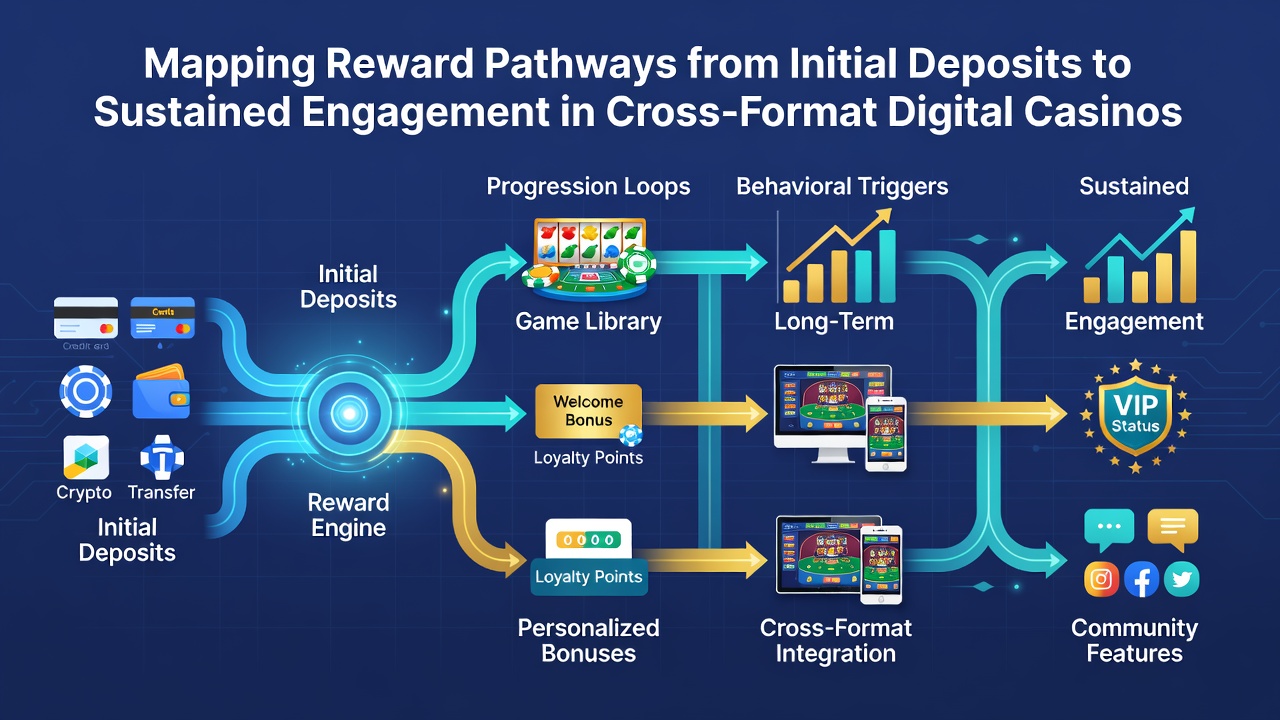
Mapping Reward Pathways from Initial Deposits to Sustained Engagement in Cross-Format Digital Casinos
Digital casino platforms track player progression from the moment an initial deposit lands in an account through to repeated sessions that span months or years, and this mapping reveals how incentives at each stage build toward sustained activity across slots, table games, and mobile interfaces. Operators collect behavioral data at every touchpoint, which allows them to adjust bonus structures so that early rewards convert into habitual use rather than one-time visits. Research indicates that the first deposit often triggers a welcome package combining matched funds with free spins, and those elements prompt users to sample multiple formats before deciding where to focus their time.
Initial Deposit Triggers and Early Reward Activation
Payment methods such as e-wallets, credit cards, and bank transfers serve as the entry point, while platforms record the deposit amount and timing to calibrate subsequent offers. A user who funds an account on a weekday evening might receive a tiered bonus that unlocks after meeting a modest wagering requirement, and this mechanism encourages exploration of both automated reels and live dealer tables within the same session. Data from regulatory filings shows that cross-format play increases when initial rewards apply equally to slots and table games, creating pathways that extend beyond the first few hours of activity.
Payment speed also influences how quickly engagement begins. Instant deposits paired with immediate bonus credits lead to higher rates of continued play in the opening week, whereas slower processing can interrupt momentum. Observers note that platforms now integrate these deposit mechanics with loyalty tracking systems so that every transaction feeds into a profile used for later personalization.
Transition from Welcome Incentives to Ongoing Mechanics
After the welcome phase ends, operators shift focus to reload bonuses, cashback programs, and milestone rewards that activate based on cumulative deposits or play volume. These tools maintain activity by linking new funding events to additional play credits, and the structure often favors users who alternate between mobile slots and desktop table games. Studies from academic gaming research centers demonstrate that players who receive format-specific rewards during this middle stage show longer average session durations compared with those limited to single-game incentives.
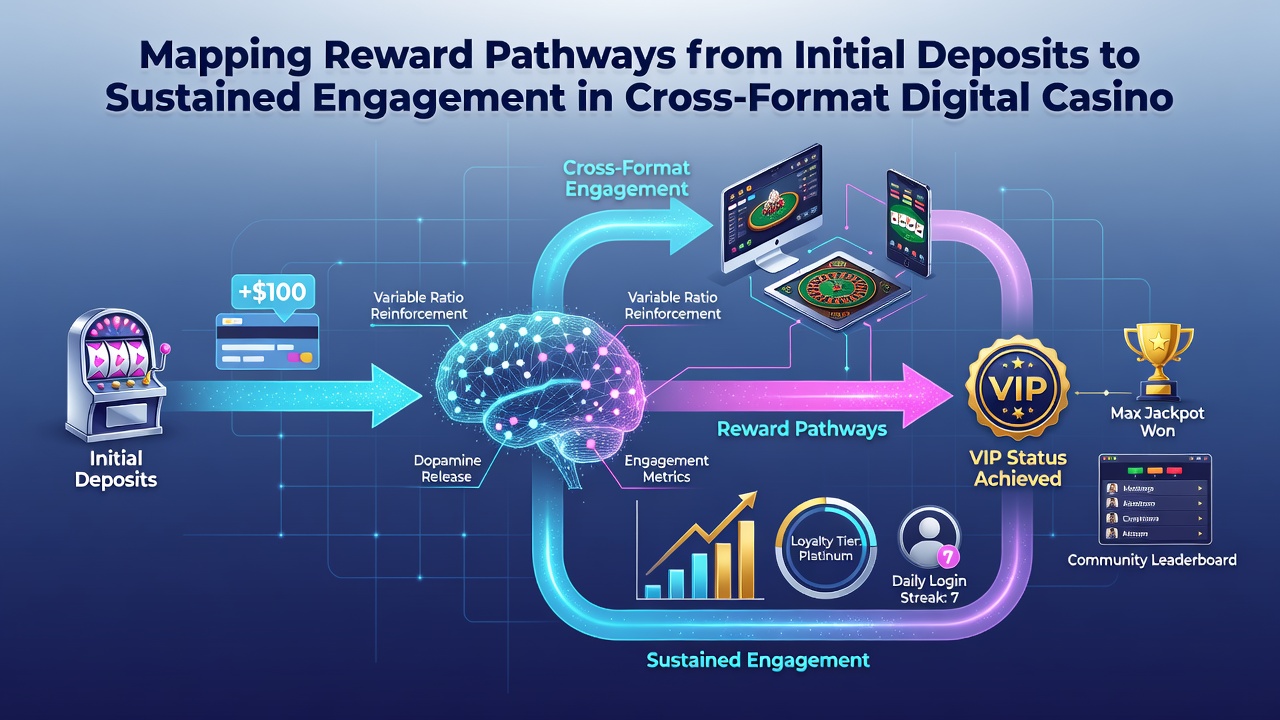
The Alcohol and Gaming Commission of Ontario publishes periodic summaries that track how different bonus types correlate with retention across provincial iGaming sites. Those summaries reveal that players exposed to hybrid rewards—combining deposit matches with free play on live tables—return at higher frequencies than those receiving only slot-focused offers. This pattern holds whether users access platforms through apps or browser sessions, indicating that the reward pathway itself matters more than the device used.
Cross-Format Engagement and Data-Driven Adjustments
Modern systems monitor movement between formats in real time, then adjust available rewards to encourage balance across categories. A player who begins with high-volume slot sessions might receive targeted table-game bonuses that appear after a set number of deposits, and this nudges activity toward live dealer options without forcing the shift. Platforms operating under the Alcohol and Gaming Commission of Ontario guidelines must log these adjustments, which creates public datasets that researchers use to map engagement curves.
June 2026 marks the scheduled rollout of enhanced reporting standards for digital operators in several jurisdictions, and these requirements will expand the granularity of data collected on deposit-to-engagement sequences. Analysts expect the new rules to highlight how mobile-first users respond differently to reward timing compared with desktop users, allowing operators to refine pathways for each cohort.
Sustained Engagement Through Tiered and Personalized Structures
Longer-term retention relies on loyalty tiers that unlock progressive benefits tied to total deposits and play across formats. Users who maintain consistent funding patterns over multiple months advance into higher tiers that offer faster withdrawals, exclusive game access, and customized bonus calendars. Evidence from industry reports shows that these tier systems reduce churn when they incorporate both automated and live game credits, because players receive value regardless of preferred format.
Personalization engines analyze deposit frequency, game selection, and device usage to predict when a player might reduce activity, then deliver preemptive offers that restore momentum. One documented approach involves sending mobile notifications for table-game tournaments to users whose slot play has plateaued, and the timing of these interventions aligns with historical deposit windows to maximize response rates. Researchers at university gaming studies programs continue to examine these sequences to identify which combinations produce the most stable engagement patterns over twelve-month periods.
Conclusion
The mapping of reward pathways demonstrates a deliberate progression from deposit-triggered entry points through layered incentives that support activity across formats and devices. Regulatory data, academic analyses, and operational records together illustrate how operators convert initial funding into repeated engagement by aligning bonuses with observed player behavior. As standards evolve through 2026, the granularity of these mappings will increase, providing clearer visibility into the sequences that sustain participation in digital casino environments.