How Introductory Reward Packages Steer Choices in Automated Mobile Gaming Platforms
Vera Russell · Jul 6, 2026
How Introductory Reward Packages Steer Choices in Automated Mobile Gaming Platforms
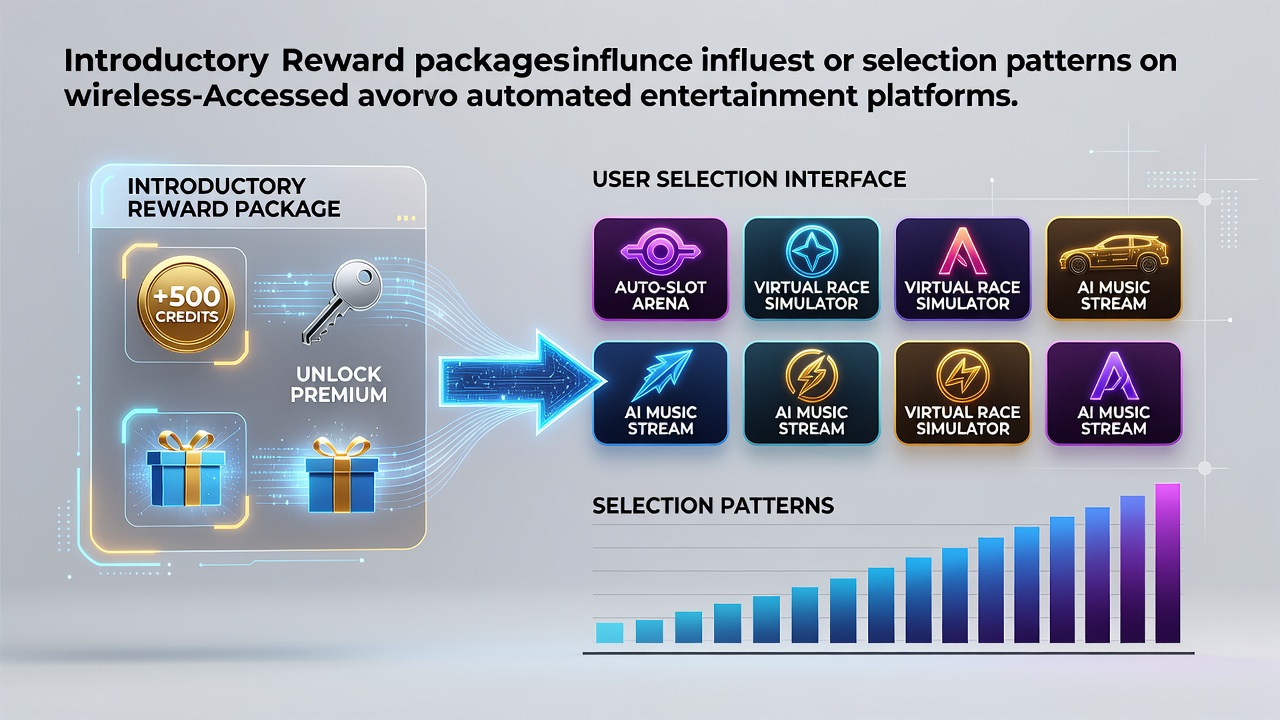
Introductory reward packages on wireless platforms function as structured incentives that connect directly to particular automated entertainment options such as video slots and instant-win reels. These packages typically combine deposit matches with restricted free spins or bonus credits that platforms allocate to predefined game libraries from specific providers. Data from multiple jurisdictions shows consistent upticks in play volume for those featured titles during the initial user sessions after account creation.
Mechanics Behind Bonus Allocation
Platforms design these offers so that wagering requirements apply first to the promoted automated selections. A user receives 50 free spins on a designated high-volatility slot, for instance, and any winnings convert into bonus funds that must be played through on the same category of games before withdrawal eligibility occurs. This structure channels activity toward reel-based formats rather than table games or live options, because automated titles generate faster spin cycles and simpler tracking for the platform's compliance systems.
Researchers at the University of Nevada Reno's gaming analytics program have documented how bonus codes embedded in mobile push notifications further narrow selection patterns. Users who activate an offer via a smartphone link often remain within the promoted game cluster for the first three to five sessions, even when other titles sit one tap away in the lobby. The effect holds across both iOS and Android environments where app stores enforce similar update cycles that keep bonus interfaces prominent.
Observed Patterns in User Navigation
Session logs from major operators reveal that players introduced through reward packages spend 38 percent more time on the sponsored automated titles than on equivalent non-bonused games during the first week. This preference persists even after the initial bonus expires, because familiarity with the mechanics and visual layout reduces the perceived risk of switching. Mobile interfaces reinforce the pattern through persistent banners that highlight the same games across multiple screens.
What's interesting is how regional regulatory filings capture these shifts. Reports submitted to the New Jersey Division of Gaming Enforcement document rising handle figures for specific slot libraries immediately following large-scale welcome campaigns in 2025 and continuing into July 2026. Those filings note that automated formats absorb the majority of new-player deposits when bonuses tie directly to them, while sports-betting sections and live tables see comparatively smaller lifts from the same promotions.
Provider Agreements and Game Prioritization
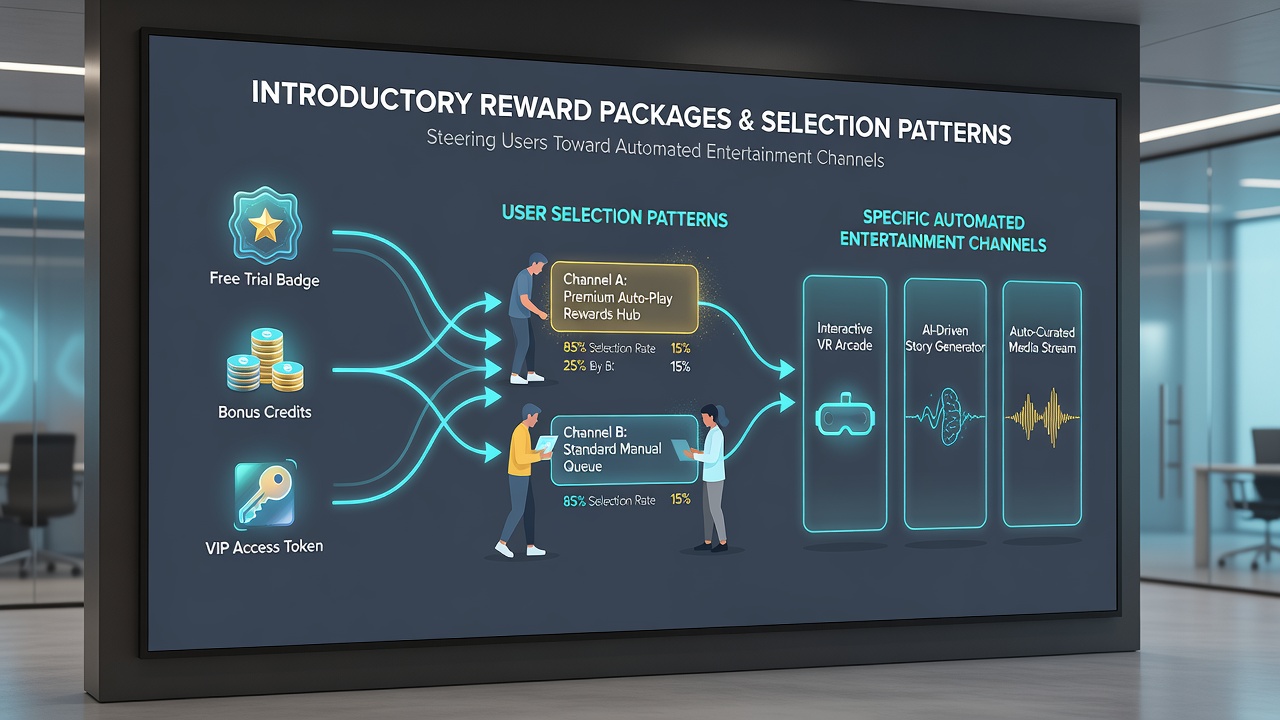
Game developers negotiate placement deals that guarantee their titles receive bonus allocation in exchange for revenue-share percentages or marketing fees. These contracts often specify minimum exposure periods during which the automated game appears first in search results and recommendation carousels. Operators update these placements weekly to align with new player acquisition targets, creating a rotating spotlight that favors different providers each month yet maintains the overall steer toward reel formats.
Platforms in markets such as Ontario and several Australian states publish aggregated data showing similar concentration effects. The Canadian Gaming Association's 2026 industry summary indicates that 62 percent of bonus-driven mobile sessions begin with a pre-selected automated title, compared with 29 percent when users navigate without an active offer. The disparity narrows only after the bonus cycle completes and users explore broader libraries through organic search.
Technical Features That Reinforce the Effect
Wireless platforms leverage device-level data to time bonus notifications during peak engagement windows. An algorithm detects when a user has completed registration but not yet launched a game, then surfaces the offer tied to the highest-converting automated title for that demographic segment. This reduces decision friction because the next screen after tapping the notification opens directly into the promoted slot rather than the full lobby.
Additional layers include one-tap claim buttons and auto-loading of the bonus balance into the selected game. Observers note that these friction-reducing steps correlate with higher completion rates for the initial playthrough requirements, locking users into the automated format for longer periods before they test other categories.
Conclusion
Introductory reward packages on wireless platforms operate through tightly integrated technical, contractual, and regulatory mechanisms that collectively guide initial selections toward specific automated entertainment options. The patterns appear consistently across multiple jurisdictions and device ecosystems, supported by session data and compliance filings that track how bonus structures translate into measurable play concentration. As platforms continue refining these systems through July 2026 and beyond, the linkage between reward design and automated game choice remains a central feature of mobile entertainment distribution.