How Demographic Data Influences Tiered Reward Structures Across Portable Entertainment Platforms
Vera Sullivan · Jul 27, 2026
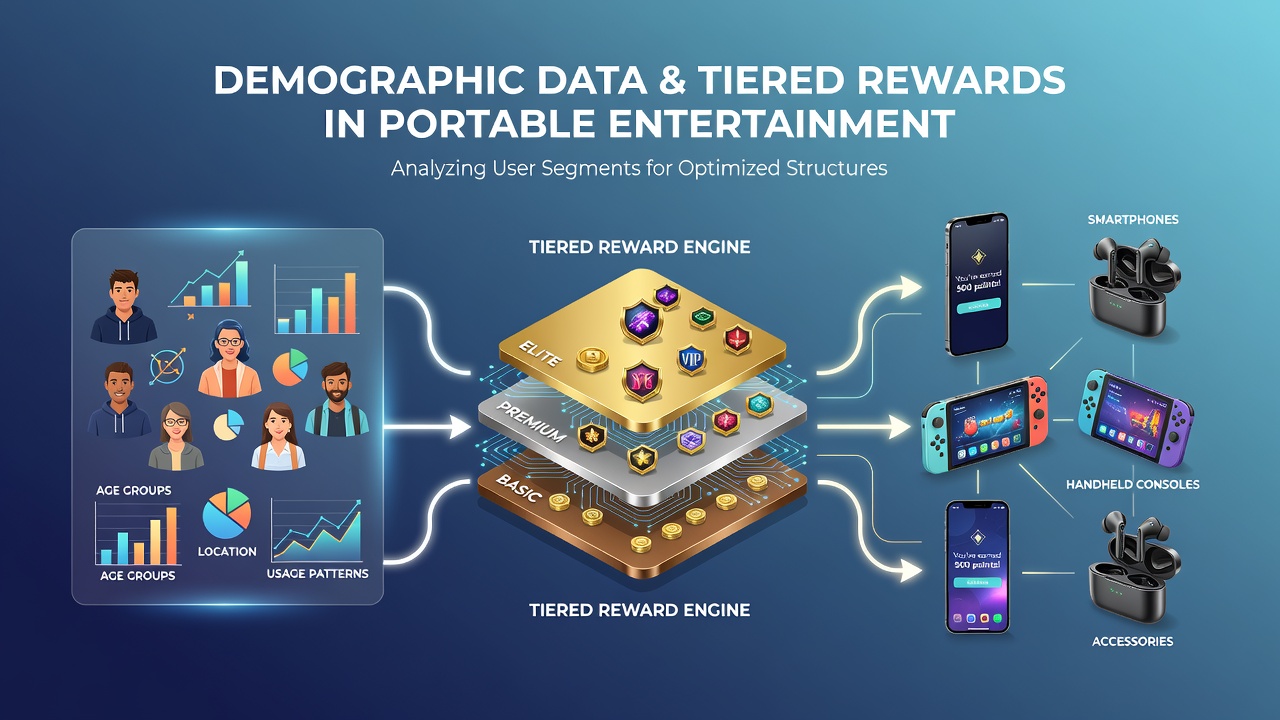
How Demographic Data Influences Tiered Reward Structures Across Portable Entertainment Platforms
Demographic data shapes tiered reward structures on portable entertainment platforms through patterns in age, location, income levels, and device usage that companies track to adjust loyalty programs. Research from industry reports shows platforms segment users by these factors to determine access to escalating benefits such as bonus credits, exclusive content unlocks, and personalized promotions. Data collection occurs via app registrations, in-app behavior logs, and third-party analytics tools that aggregate information without individual identifiers in many cases.
Age Groups Drive Distinct Tier Progressions
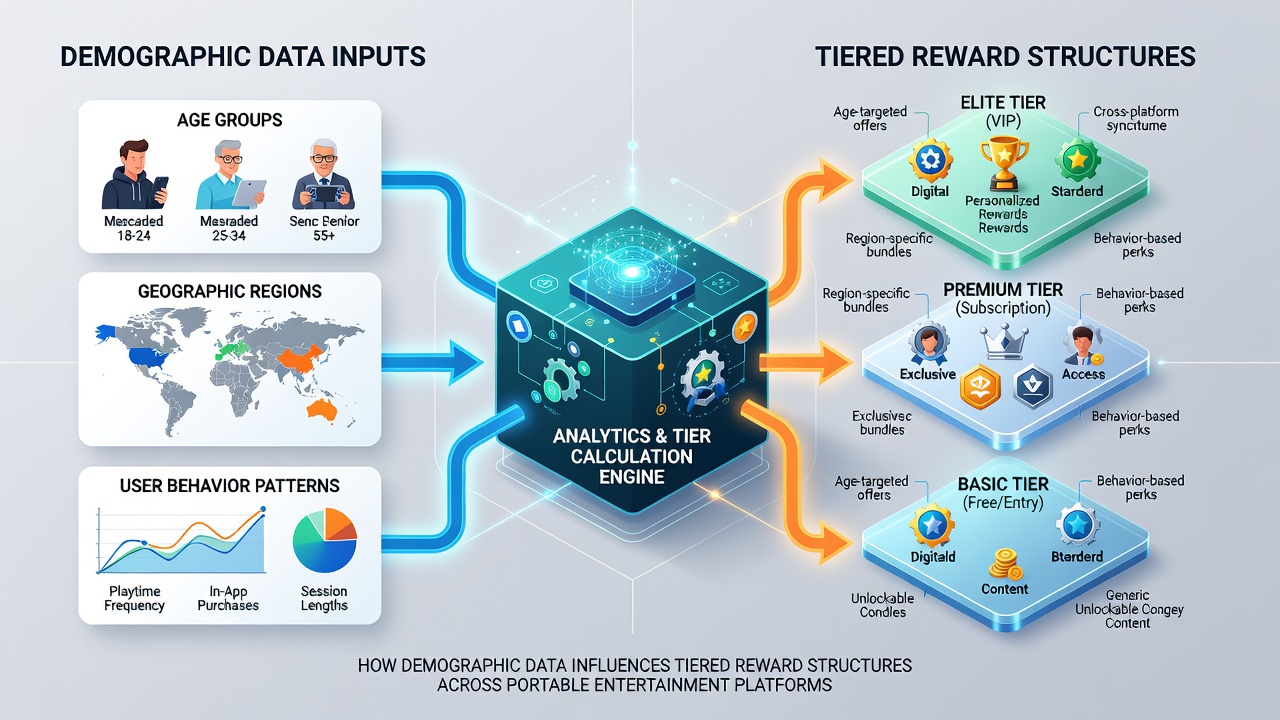
Younger users between 18 and 34 often receive structures that emphasize rapid tier advancement through frequent small engagements, while older cohorts see slower climbs paired with higher-value redemptions at upper levels. Studies from the American Gaming Association indicate mobile entertainment apps adjust point multipliers based on age brackets derived from verified account details, with 18-to-24 segments gaining early access to social sharing rewards that accelerate progression. Observers note platforms incorporate generational preferences, such as event-based challenges for digital natives, into their algorithms to sustain participation across different life stages.
Geographic and Regional Variations Shape Offerings
Location data from IP addresses and GPS signals allows platforms to tailor tiers according to regional regulations, economic conditions, and cultural trends. In markets like the United States and Canada, reward systems frequently incorporate localized payment options and seasonal events tied to holidays or sports calendars. Australian regulatory summaries reveal similar patterns where state-level demographics influence bonus structures, with urban users in high-density areas qualifying for transport-related perks while rural segments access different content libraries at equivalent tiers. These adjustments maintain compliance and relevance as user bases expand across borders.
Income Levels and Spending Behaviors Inform Tier Access
Income indicators derived from transaction histories and declared preferences guide the allocation of premium tiers that require minimum activity thresholds. Platforms analyze spending velocity to place users into brackets where higher earners unlock cash-equivalent rewards earlier, whereas moderate spenders encounter time-based gates that encourage consistent returns. Reports compiled by the Canadian Gaming Association demonstrate correlations between household income estimates and tier retention rates, with data showing sustained engagement when rewards align with disposable income patterns observed in July 2026 analyses. Such segmentation supports balanced economies within apps by matching benefit scales to verified user capacities.
Device and Usage Patterns Refine Personalization
Portable platforms further refine structures using data on operating systems, session durations, and feature interactions that correlate with demographic profiles. iOS users in certain age and income groups encounter different milestone rewards compared to Android counterparts in the same brackets, reflecting variations in average lifetime value tracked through anonymized datasets. Researchers have documented how cross-device syncing enables seamless tier carryover, allowing users who switch phones to retain progress while algorithms recalibrate based on updated demographic signals gathered at login.
Integration of Multiple Data Points in Practice
Combined datasets produce hybrid tiers where age intersects with geography to create region-specific age brackets, such as elevated starting points for users in high-cost urban centers. Evidence from academic studies on mobile engagement reveals that platforms test these intersections through A/B deployments before full rollout, adjusting thresholds quarterly to reflect shifting population trends. In July 2026 updates, several major services incorporated refreshed census-derived inputs that refined eligibility for family-oriented reward bundles, connecting parental demographics with content access levels.
Conclusion
Demographic data continues to guide the evolution of tiered reward systems on portable entertainment platforms by providing measurable inputs that align benefits with observed user segments. Ongoing refinements based on aggregated statistics maintain structural integrity while supporting platform scalability across diverse populations.