Examining Correlations Between Funding Mechanisms and Strategic Play in Smartphone-Based Reward Systems
Vera Sullivan · May 18, 2026
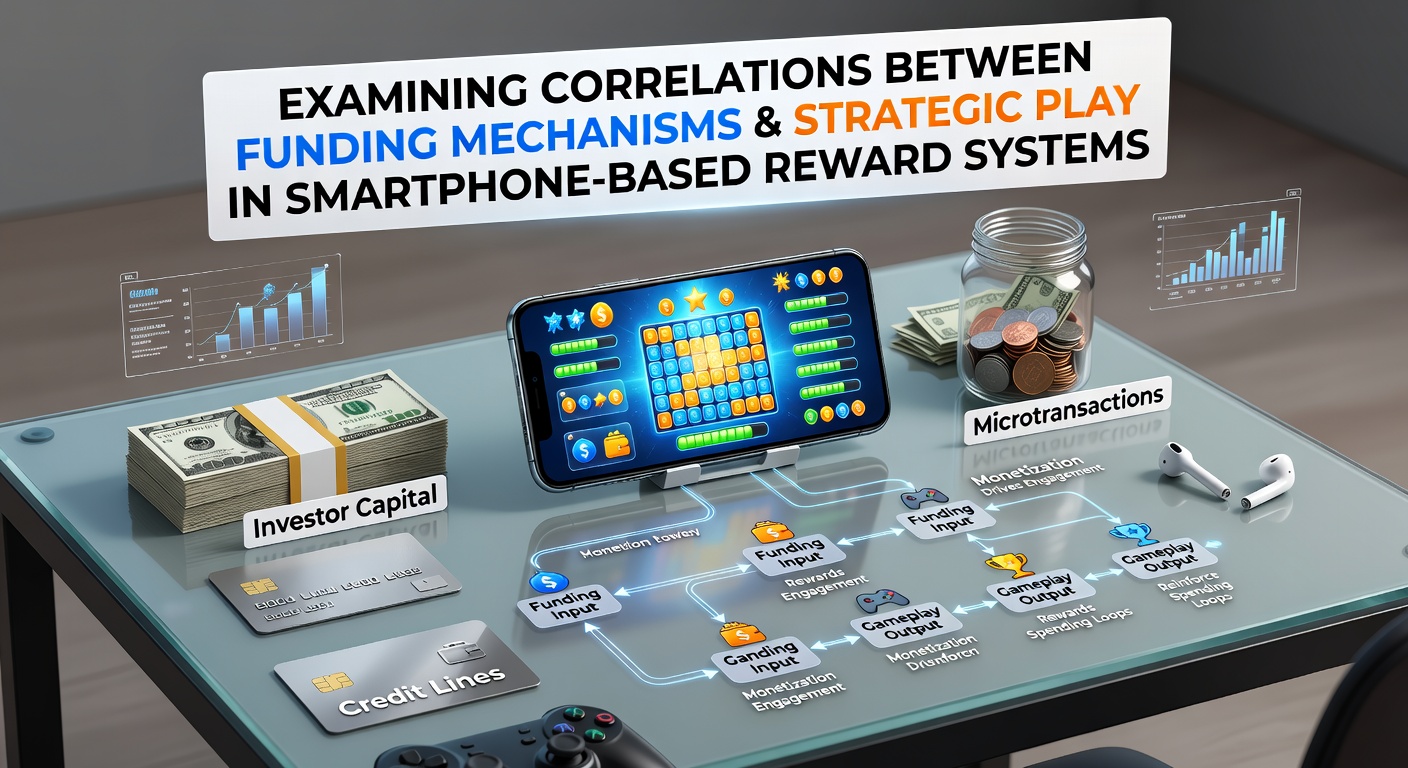
Examining Correlations Between Funding Mechanisms and Strategic Play in Smartphone-Based Reward Systems
Smartphone-based reward systems continue to expand across gaming platforms, and researchers track how various funding methods shape the way users approach strategic decisions within those apps. Data from multiple regions shows steady growth in mobile reward engagement through 2026, with patterns emerging around payment choices and play styles. Observers note that users often select funding routes based on speed, fees, and integration ease, which in turn influences session length and decision-making processes.
Key Funding Options in Mobile Reward Platforms
Payment methods range from direct carrier billing and digital wallets to credit cards and prepaid vouchers, each carrying distinct transaction times and user friction levels. Studies reveal that instant funding options tend to pair with shorter, more frequent play sessions, whereas slower methods correlate with extended planning phases before users commit resources. Those who've examined app analytics across platforms find that e-wallet users frequently adjust strategies mid-session to maximize reward multipliers, while prepaid card holders show steadier, conservative approaches that avoid rapid escalation.
Regional Patterns in Payment Adoption
North American markets report higher adoption of integrated banking apps for reward funding compared with parts of Europe, where alternative payment services dominate, according to findings shared by the American Gaming Association. Australian data indicates prepaid options remain popular among users seeking spending caps, and this preference links to more deliberate reward targeting rather than broad exploration. Canadian reports from regulatory bodies highlight similar trends, where users combining multiple funding sources exhibit flexible strategies that shift based on current reward availability.
Strategic Behaviors Linked to Funding Speed
Quick deposit mechanisms often encourage immediate engagement with time-limited rewards, leading players to prioritize high-variance options early in sessions. Slower funding pathways, by contrast, give users time to review historical performance metrics and adjust tactics accordingly. Evidence suggests that smartphone users who rely on recurring billing subscriptions maintain consistent play rhythms, focusing on cumulative reward accumulation over single-session spikes. Turnout data from May 2026 indicates these patterns hold steady across age groups, with younger demographics gravitating toward seamless wallet integrations that support rapid strategic pivots.
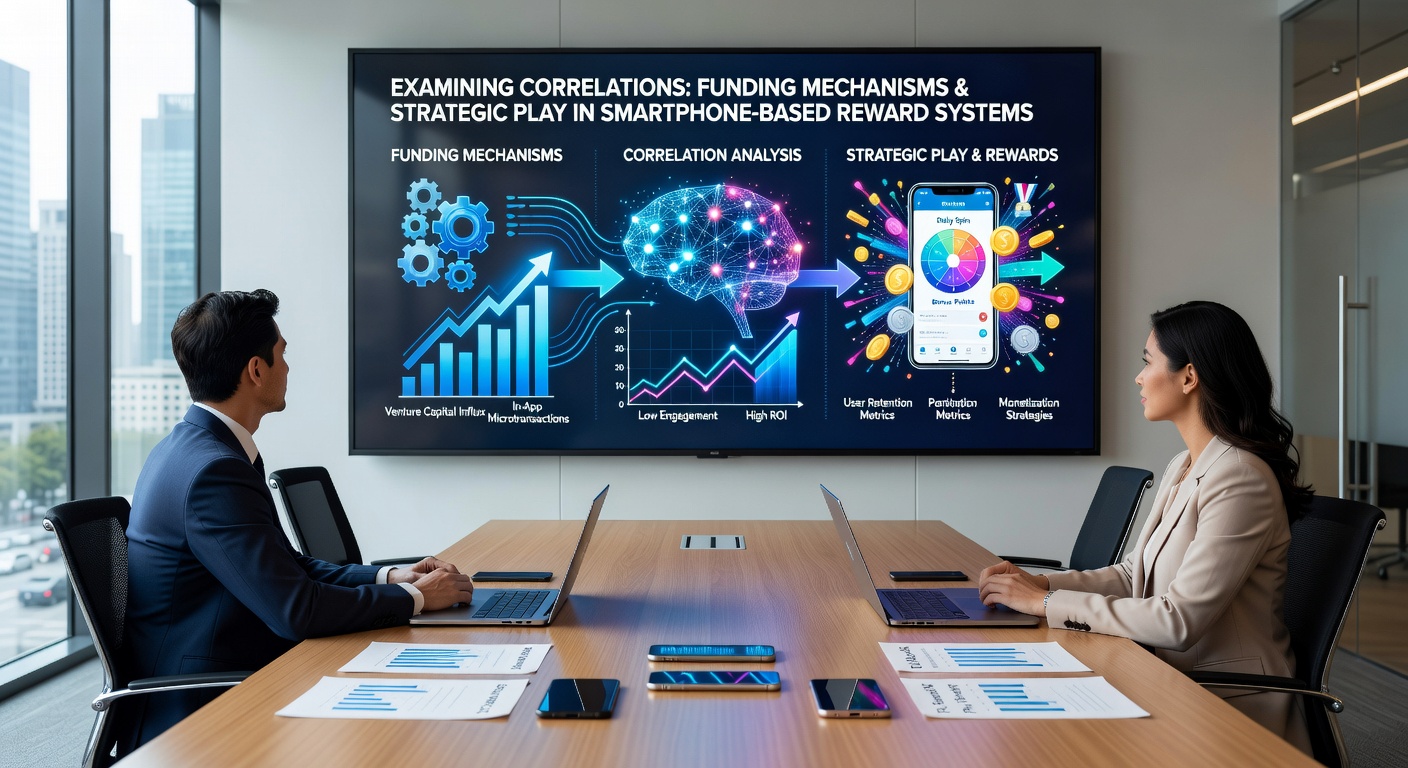
One study revealed that funding method selection influences risk tolerance, as users paying via direct carrier options displayed lower average bet sizing yet longer overall engagement. Researchers discovered similar correlations in European markets, where bank transfer users leaned toward methodical progression through reward tiers. Those patterns emerge because funding friction creates natural pauses that encourage reflection on previous outcomes and upcoming opportunities.
Data Insights from Industry Reports
Figures released by the Interactive Games and Entertainment Association show measurable ties between funding velocity and reward redemption rates in smartphone ecosystems. Users accessing instant top-up features redeem rewards at higher frequencies, often chaining multiple objectives within single sessions. Slower methods correlate with higher completion rates on longer-term challenges that require sustained attention. Academic work from several universities reinforces these observations, noting that payment transparency features built into apps further shape how participants weigh immediate gains against future bonuses.
What's interesting is how geographic and demographic factors interact with these mechanisms, producing varied strategic profiles. In markets where regulatory frameworks emphasize consumer protections, funding disclosures appear to promote more calculated play. Observers note that apps incorporating spending trackers alongside funding tools see users refine strategies around reward thresholds rather than impulse decisions.
Future Tracking and Measurement Approaches
Analysts continue refining models that connect funding data points with behavioral markers across reward platforms. Machine learning applications now parse transaction logs alongside in-app actions to identify emerging correlations that earlier methods missed. As of May 2026, several research initiatives focus on longitudinal data spanning multiple funding cycles to determine whether patterns stabilize or evolve with user experience levels. Industry organizations emphasize transparent reporting standards that allow clearer comparisons across different smartphone ecosystems and reward structures.
Conclusion
Correlations between funding mechanisms and strategic play in smartphone reward systems rest on observable patterns in transaction speed, user demographics, and session dynamics. Continued monitoring through established research channels provides ongoing clarity on how these elements interact across global markets. Data collection efforts in coming periods will help refine understanding without introducing assumptions beyond documented trends.