Charting the Interplay of Transaction Pathways and Promotional Lifecycles in Handheld Gaming Ecosystems
Vera Russell · Aug 19, 2026
Charting the Interplay of Transaction Pathways and Promotional Lifecycles in Handheld Gaming Ecosystems
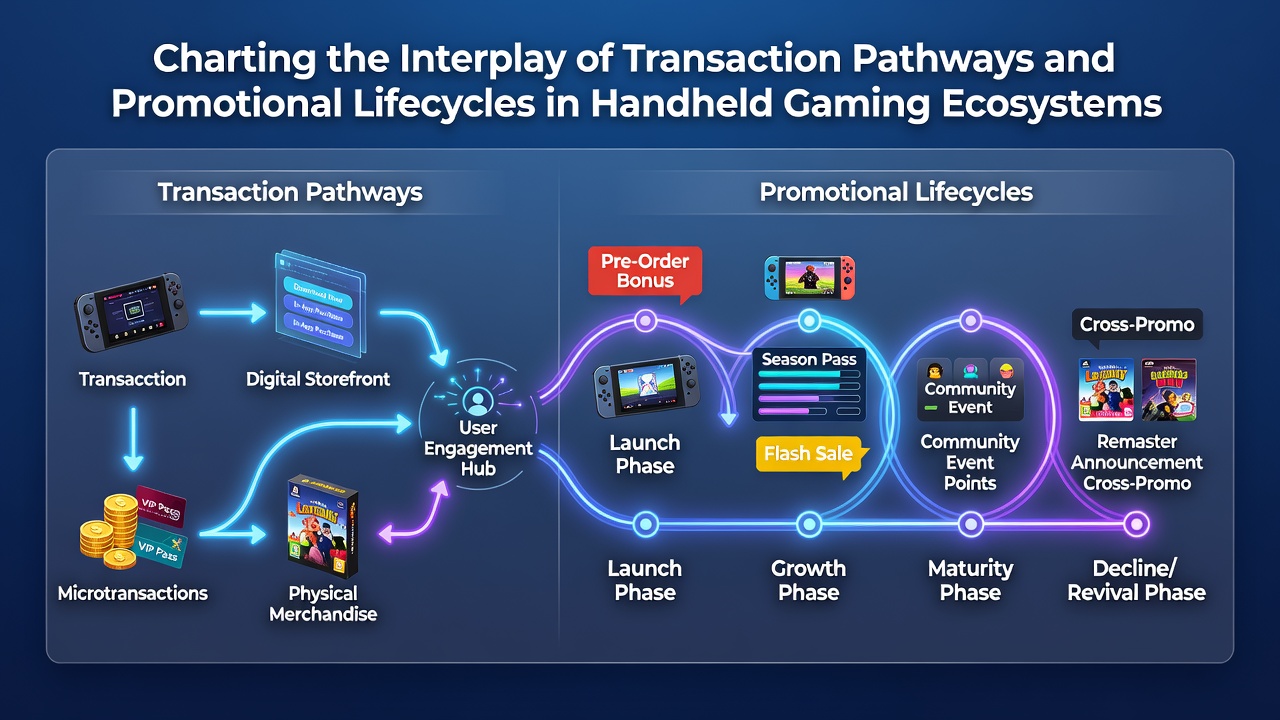
Handheld gaming ecosystems rely on seamless connections between payment methods and time-limited offers, and researchers track these elements to understand user retention patterns across devices. Transaction pathways encompass everything from instant digital wallets to bank transfers while promotional lifecycles cover welcome bonuses, reload incentives, and loyalty tiers that expire after set periods. Data collected through August 2026 reveals steady growth in mobile-first platforms where these two systems operate in tandem, and industry reports highlight how payment speed influences the activation and completion of bonus cycles.
Transaction Pathways in Mobile Environments
Payment options in handheld gaming range from established credit card processors to emerging cryptocurrency channels, and each route carries distinct processing times plus fee structures. E-wallets often complete transfers in seconds, whereas direct bank links require additional verification steps that extend the interval before funds appear in an account. Observers note that platforms optimize these pathways to reduce friction, and studies from the Australian Institute of Criminology indicate that faster deposit confirmation correlates with higher completion rates for time-sensitive promotions. Regulatory frameworks in regions such as Singapore and Canada further shape which methods operators may offer, and compliance requirements influence the design of checkout flows.
Promotional Lifecycles and Their Structures
Promotions in handheld gaming follow defined stages that include announcement, activation, usage, and expiration, and operators schedule these stages to align with user activity peaks. Welcome packages typically feature multiple deposit matches spread over several days, while daily reload offers reset at midnight in the player's timezone. Research indicates that shorter lifecycle windows encourage quicker engagement, and data from the National Council on Problem Gambling shows that players who activate bonuses within the first hour after deposit tend to maintain longer sessions. Tiered loyalty systems add another layer, granting escalating rewards as play volume accumulates, yet these programs reset or downgrade if activity falls below thresholds during defined periods.
Interconnections Between Payments and Promotions
The timing of a transaction directly affects whether a player can claim or fully utilize a given offer, and platforms build rules that tie bonus eligibility to specific funding methods. For instance, certain promotions exclude cryptocurrency deposits while others grant extra spins only when players use approved e-wallets. Figures reveal that operators adjust these restrictions based on regional preferences, and one study found that payment-method filters reduce bonus abuse while guiding users toward lower-cost processing options. What's interesting is how promotional calendars sync with payment processing speeds, because a bonus that expires in 24 hours loses value if the chosen deposit route takes longer to clear.
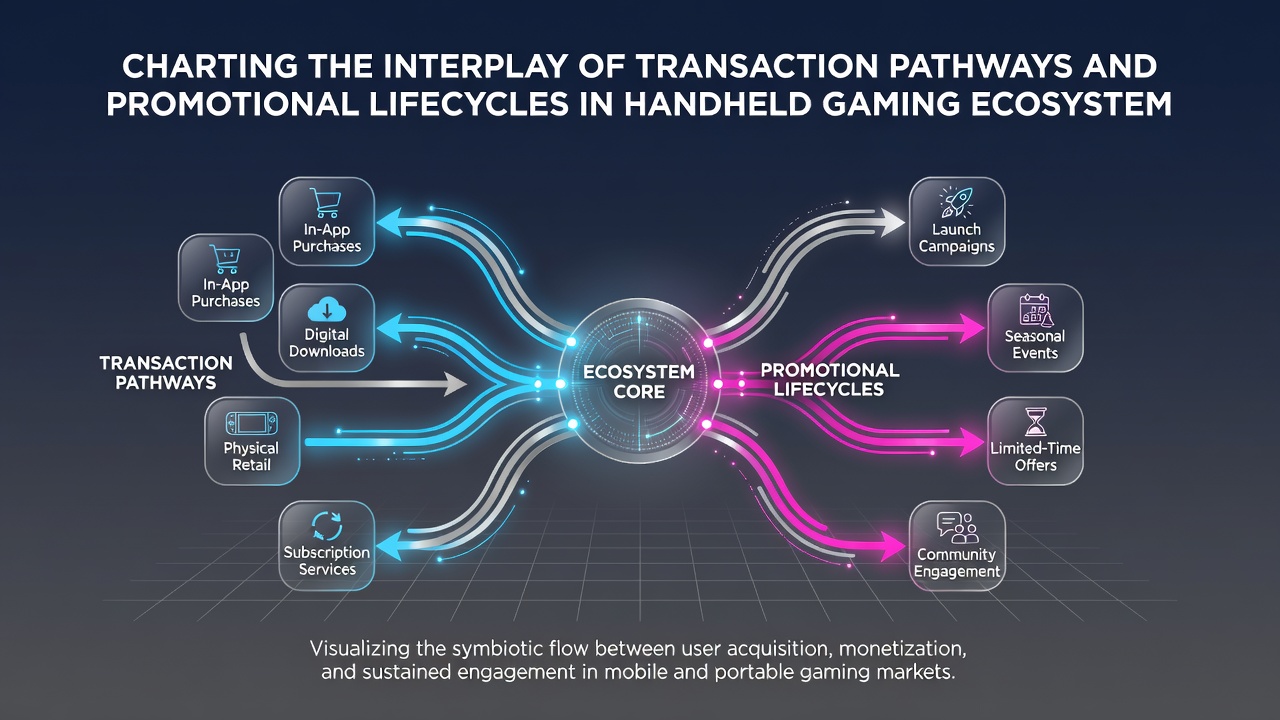
Users often discover that selecting a faster pathway unlocks additional value within the same promotional window, and analysts document these patterns through aggregated transaction logs. Loyalty points earned from deposits may carry their own expiration rules, creating layered timelines that players must manage simultaneously. Reports from the Canadian Gaming Association document how integrated dashboards now display both remaining bonus time and pending transaction status in a single view, reducing the chance that rewards go unclaimed due to overlooked deadlines.
Regional Patterns and Data Trends Through 2026
Markets in Asia-Pacific and Europe display distinct preferences for certain transaction types, and promotional structures adapt accordingly to maintain compliance plus competitiveness. In August 2026 updates, mobile gaming operators reported increased adoption of instant settlement methods in jurisdictions that permit them, and these shifts coincided with higher redemption rates for short-duration offers. Academic papers from university research centers track how promotional lifecycles shorten when paired with near-instant payments, and the resulting data sets help operators refine targeting algorithms. Yet longer-cycle promotions persist in markets where regulatory approval for new payment rails moves slowly, illustrating the ongoing balance between speed and oversight.
Conclusion
Transaction pathways and promotional lifecycles in handheld gaming ecosystems continue to evolve through mutual influence, and monitoring tools now capture their interactions at scale. Evidence suggests that alignment between payment speed and offer duration supports sustained engagement, while misaligned timelines reduce reward effectiveness. Ongoing data collection across multiple regions provides the foundation for future platform adjustments, and stakeholders reference these findings when evaluating new payment integrations or bonus designs.